Blog
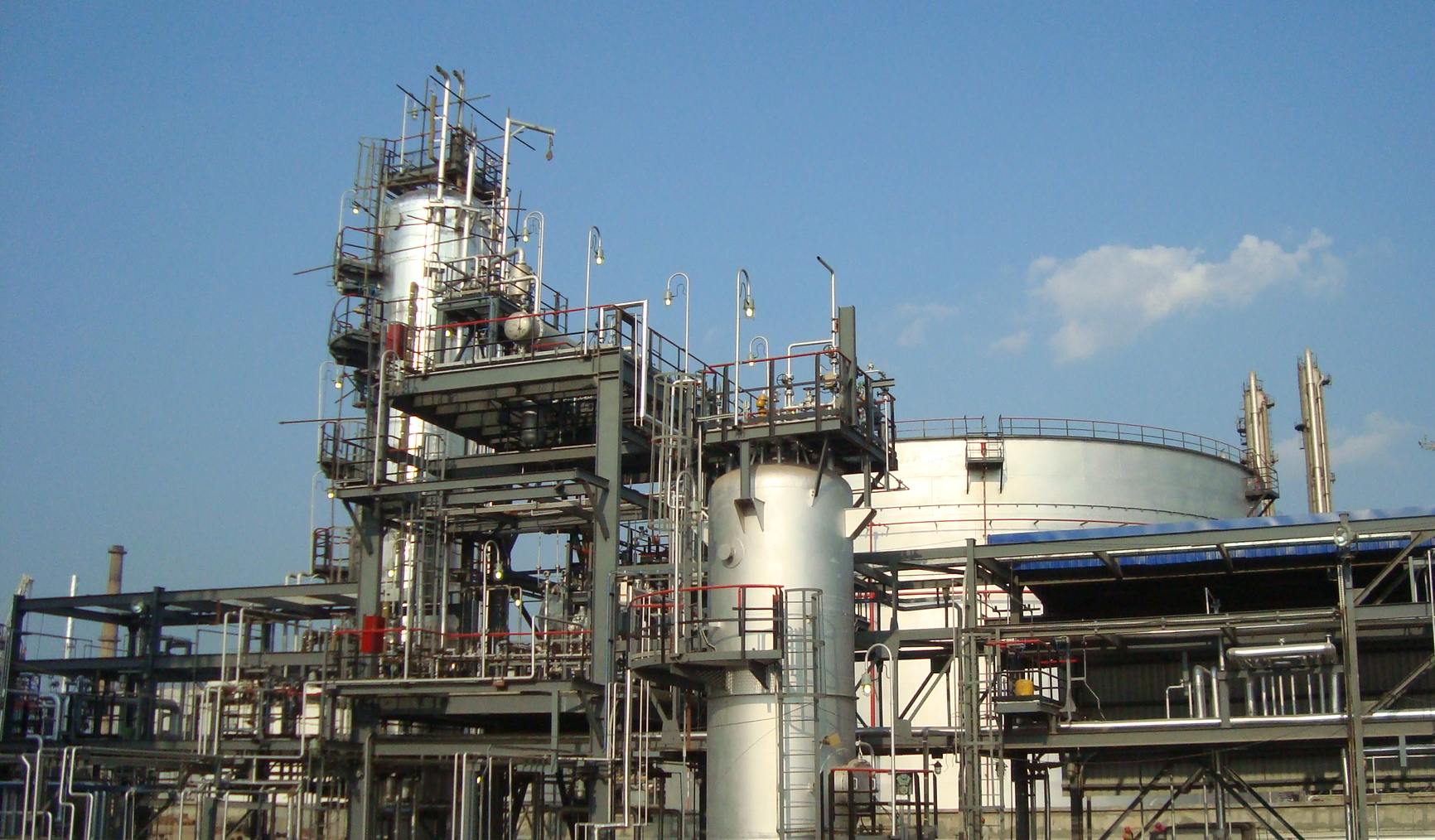
NIGERIA'S CRUDE OIL PRODUCTION HITS 15-MONTH HIGH
Nigeria’s crude oil production climbed to a 15-month high in May, highlighting the country’s ongoing efforts to increase output. According to data from the Nigerian Upstream Petroleum Regulatory Commission (NUPRC), crude production reached 1.53 million barrels per day (bpd), the highest level recorded since January 2025.
- 4 months

PRESIDENT SAMIA’S GOVERNMENT SCRAPS EV AND CNG TAXES IN MAJOR CLEAN ENERGY TRANSFORMATION.
President Samia Suluhu Hassan’s government has unveiled one of Tanzania’s boldest clean energy reforms by removing key taxes on electric vehicles, compressed natural gas (CNG), and critical clean transport infrastructure in a move aimed at lowering energy costs, accelerating industrial growth and positioning Tanzania as a regional leader in sustainable transportation. The sweeping tax exemptions announced in the national budget signal a major business, economic and geopolitical shift as Tanzania moves aggressively to reduce dependence on imported fuel while promoting local energy solutions and green investment.
- 4 months
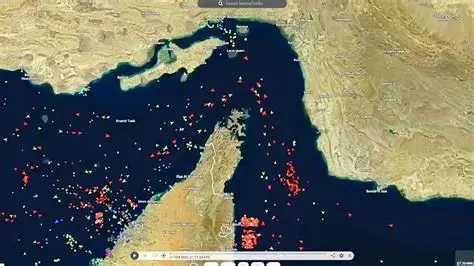
OIL FALLS TO THREE-MONTH LOW AS U.S.-IRAN PEACE DEAL SIGNALS RETURN OF HORMUZ OIL FLOWS.
Global oil prices dropped to their lowest levels in three months after the United States and Iran announced progress toward a peace agreement expected to reopen the Strait of Hormuz and restore disrupted energy flows. The sharp decline reflects growing confidence in global markets that tensions in the Gulf may ease after months of conflict that severely disrupted oil and gas exports. The development carries major business, economic and geopolitical implications as traders, governments and energy companies closely monitor how quickly Middle Eastern supply chains and shipping routes can recover.
- 4 months
BRENT OIL FALLS TO LOWEST LEVEL SINCE MARCH AS MARKETS BET ON U.S.-IRAN PEACE DEAL.
Brent crude prices dropped to their lowest levels since March as growing optimism over a possible peace agreement between the United States and Iran eased fears of prolonged supply disruptions in the Middle East. The sharp decline reflects shifting business sentiment in global energy markets, improving economic expectations linked to lower fuel costs, and major geopolitical developments surrounding negotiations aimed at ending tensions in the Gulf region. Traders and investors are increasingly betting that a breakthrough deal could reopen the Strait of Hormuz and stabilize global oil flows after weeks of severe disruption.
- 4 months, 1 week
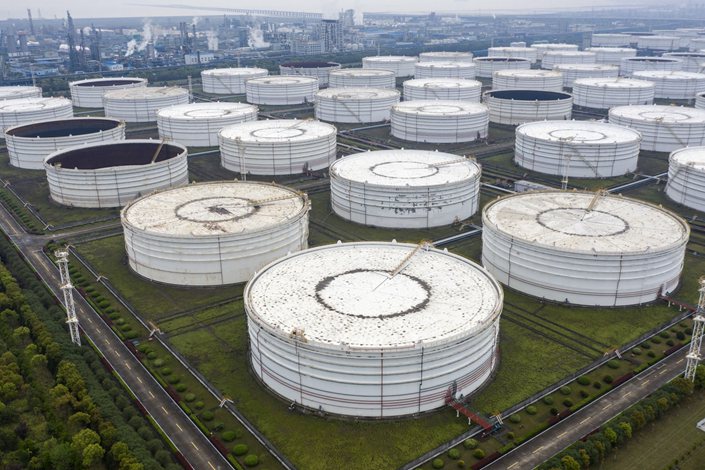
CHINA BEGINS TAPPING OIL STOCKPILES AS MIDDLE EAST CRISIS DRAGS ON
China began drawing from its substantial oil reserves in May, roughly three months after the Middle East conflict disrupted around 10% of global oil supply.
- 4 months, 1 week
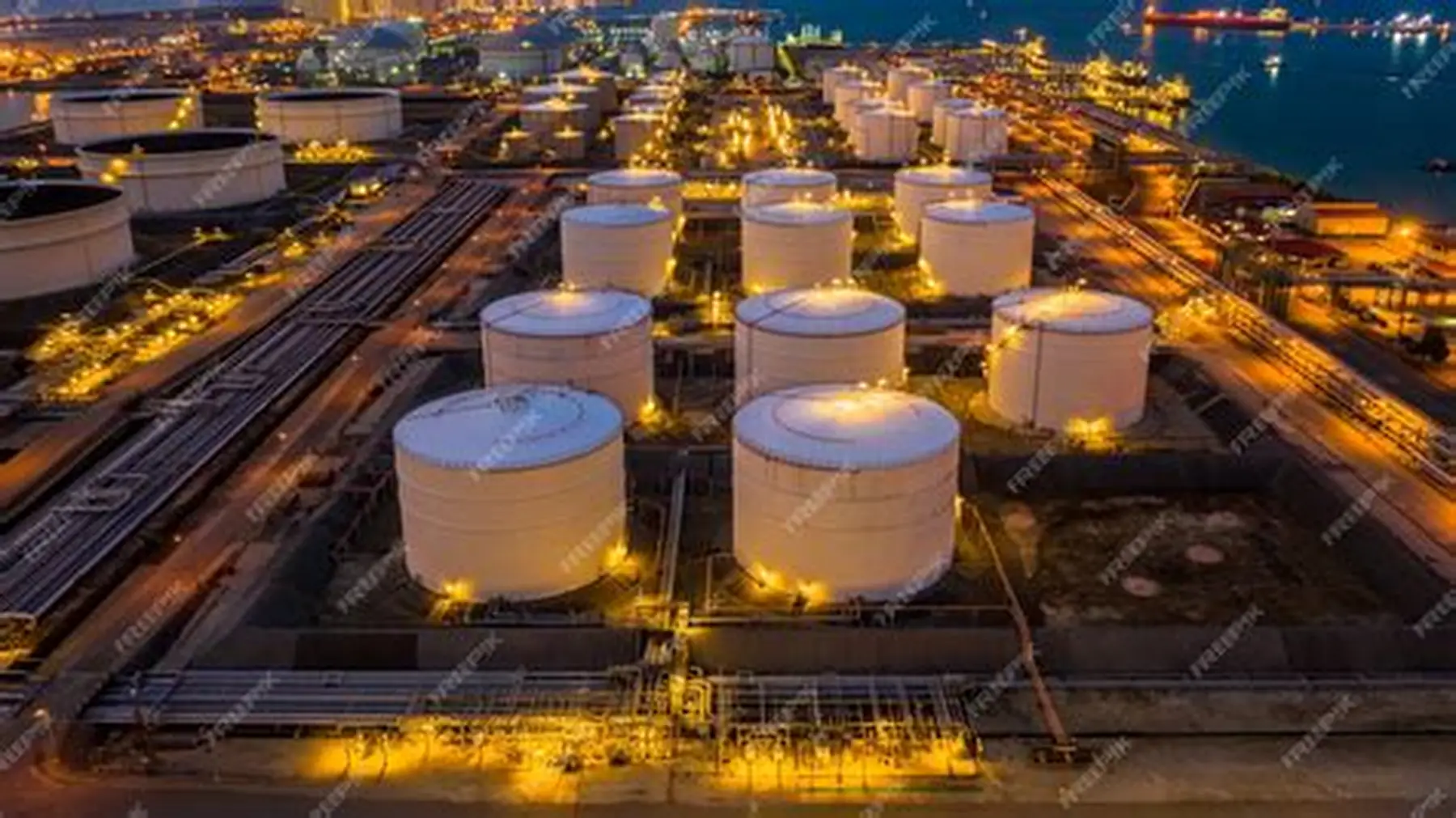
DANGOTE REFINERY MOVES TO RESTORE FULL GASOLINE OUTPUT AS AFRICA WATCHES FUEL SUPPLY PRESSURES.
Nigeria’s Dangote Refinery is expected to restore full gasoline production by mid-June after weeks of reduced operations caused by technical challenges and feedstock adjustments, a development carrying major business, economic and geopolitical significance for Africa’s energy market. The refinery’s recovery comes as global fuel prices remain elevated due to Middle East tensions and supply disruptions, increasing the importance of regional refining capacity. As Africa’s largest refinery resumes normal operations, markets are closely monitoring its ability to stabilize fuel availability, strengthen regional trade flows and reduce dependence on imported petroleum products from Europe and the Gulf.
- 4 months, 1 week

Africa Energy Insights (AEI) is an African platform with latest news, insights and investment report of Energy Sectors. We bridging the gap and mobilizes investment in Energy resources for Sustainable and reliable Energy supply.