Blog
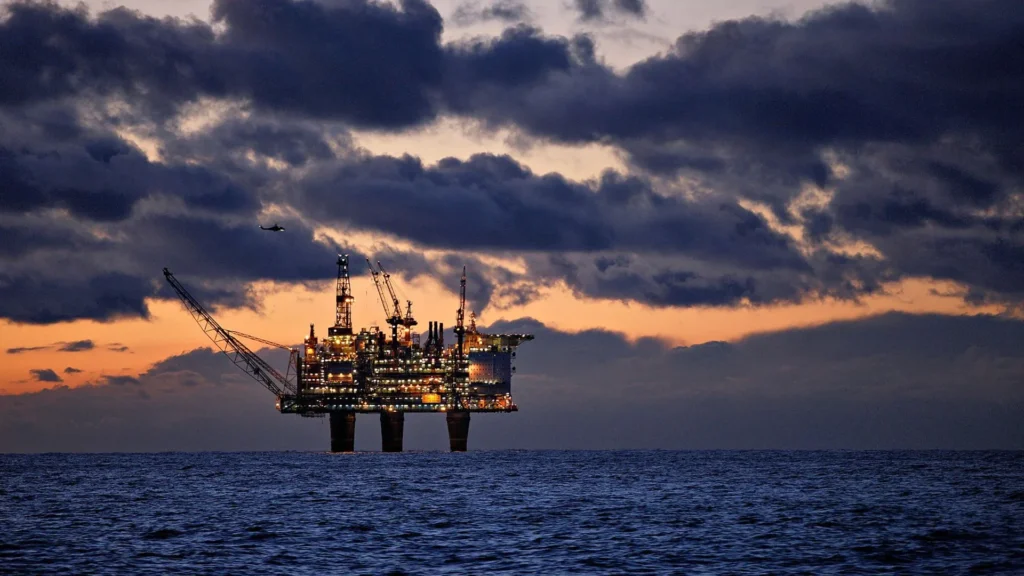
EQUINOR FINDS OIL AND GAS NEAR OSEBERG AND PREPARES FOR ITS EXPLOITATION.
Equinor and its partners announced the Grimsnes oil and gas discovery in Norway’s North Sea, with estimated resources of 19–50 million barrels of oil equivalent.
- 14 hours, 23 minutes
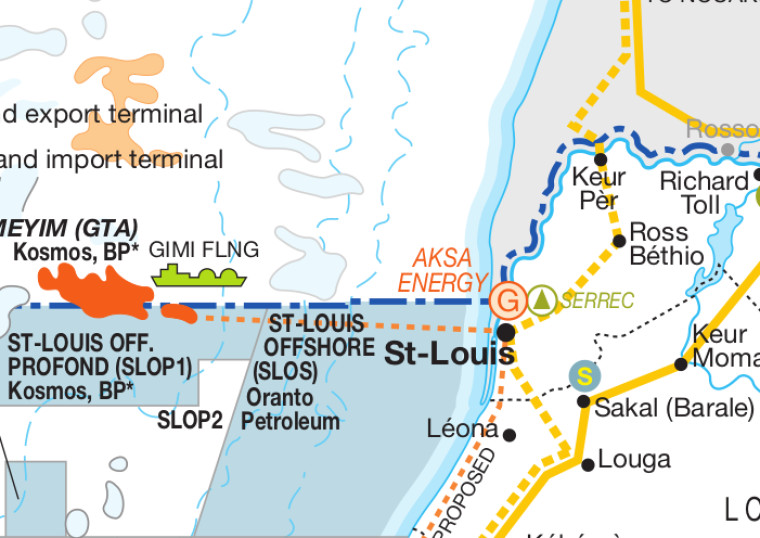
SENEGAL BEGINS CONSTRUCTION OF €275 MILLION GAS PIPELINE TO BOOST DOMESTIC ENERGY SUPPLY.
Senegal has commenced construction of an important 85-kilometre gas pipeline known as the Northern Segment of the Senegal Gas Network (Réseau Gazier du Sénégal). The project, officially launched in September 2026 in Gandon, in the Saint-Louis region, is designed to transport natural gas from the offshore Greater Tortue Ahmeyim (GTA) gas project to domestic consumers.
- 1 day, 17 hours
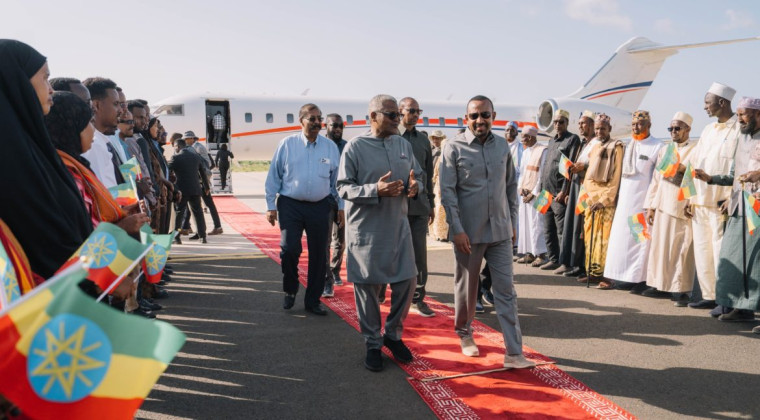
DANGOTE COMMITS TO KENYA REFINERY AND ETHIOPIA-DJIBOUTI PIPELINE.
Aliko Dangote is expanding his investments in East Africa through two major energy infrastructure projects: a proposed oil refinery in Kenya and a petroleum-products pipeline connecting Ethiopia and Djibouti.
- 3 days, 14 hours
DRC SIGNS INVESTMENT AGREEMENT FOR $300 MILLION KALUMBILA–KOLWEZI POWER INTERCONNECTOR PROJECT.
The Democratic Republic of Congo (DRC) government has signed an investment agreement with international partners to advance the Kalumbila–Kolwezi Interconnector Project (KKIP), a major cross-border electricity transmission initiative linking Zambia to the DRC’s mining region.
- 3 days, 16 hours
USA: TOTALENERGIES EXPANDS US VENTURE WITH KKR WITH 700 MW PORTFOLIO.
TotalEnergies (TTEF.PA) announced on Monday that it is expanding its joint venture with KKR (KKR.N) in the United States through the addition of a renewable energy portfolio valued at $1.2 billion.
- 3 days, 16 hours
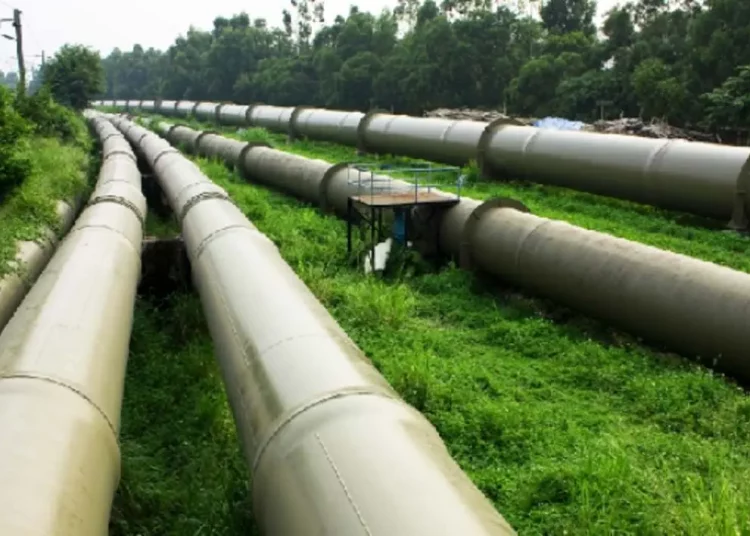
OIL COMMUNITIES URGE ACTION ON AGEING PIPELINES, ENVIRONMENTAL RISKS.
Bayelsa communities urged oil companies and authorities to address ageing pipelines, abandoned wellheads and gas flaring. Leaders called for better infrastructure maintenance to prevent oil spills and protect livelihoods.
- 4 days, 17 hours

Africa Energy Insights (AEI) is an African platform with latest news, insights and investment report of Energy Sectors. We bridging the gap and mobilizes investment in Energy resources for Sustainable and reliable Energy supply.