Blog
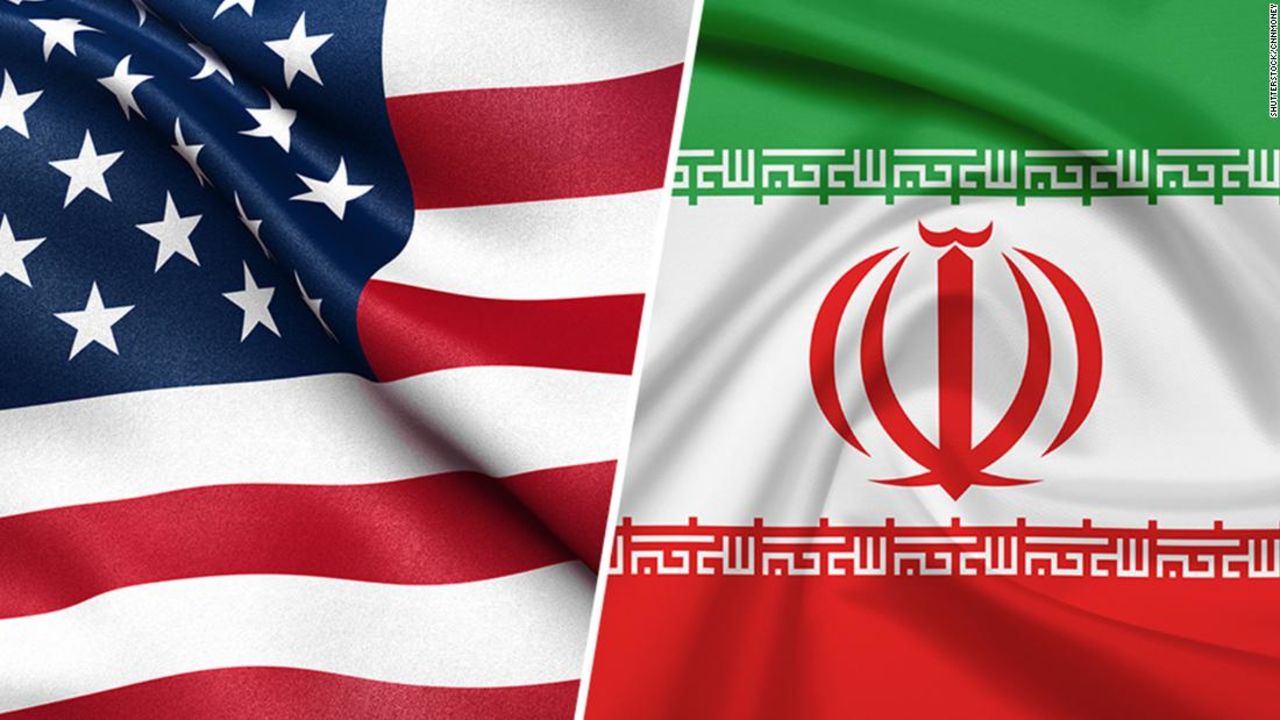
OIL SLIPS $5 AS US, IRAN SEEN MOVING CLOSER TO PEACE DEAL
Oil prices dropped by more than $5 on Monday, reaching their lowest levels in two weeks, after growing optimism that the United States and Iran were making progress toward a possible peace agreement.
- 4 months, 3 weeks
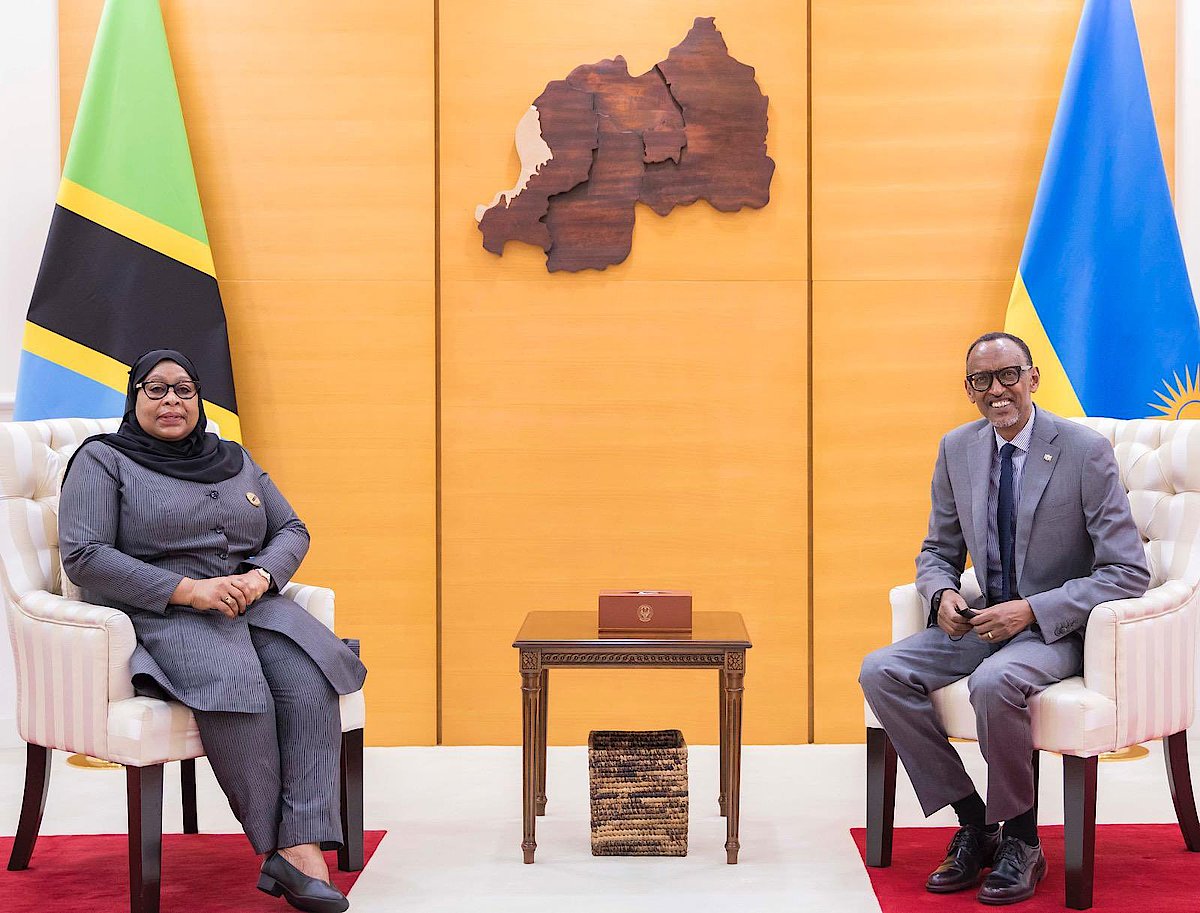
TANZANIA AND RWANDA SIGN ENERGY COOPERATION AGREEMENT COVERING POWER TRADE, OIL, GAS AND LNG
Tanzania and Rwanda have signed a new bilateral energy cooperation agreement aimed at strengthening regional energy integration and expanding collaboration across multiple energy sectors.
- 5 months

KENYA TRANSPORT STRIKE OVER FUEL PRICE HIKES CALLED OFF
A nationwide public transport strike in Nairobi over rising fuel prices was suspended on Tuesday after the Kenyan government reached a temporary agreement with associations representing bus and minibus operators.
- 5 months
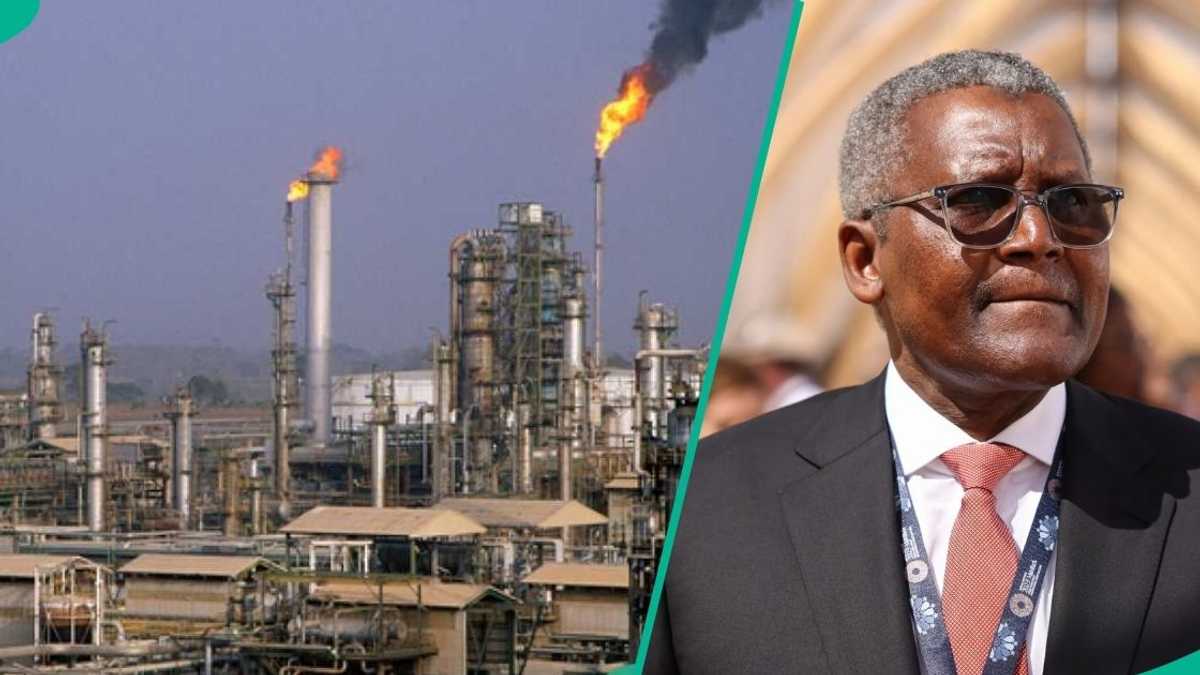
NIGERIA FUEL MARKETERS PUSH BACK ON DANGOTE LAWSUIT OVER IMPORT LICENCES
Fuel marketers in Nigeria have opposed a lawsuit filed by Dangote Petroleum Refinery aimed at cancelling fuel import licences, warning that such a move could threaten fuel supply and weaken competition in Africa’s biggest oil market.
- 5 months
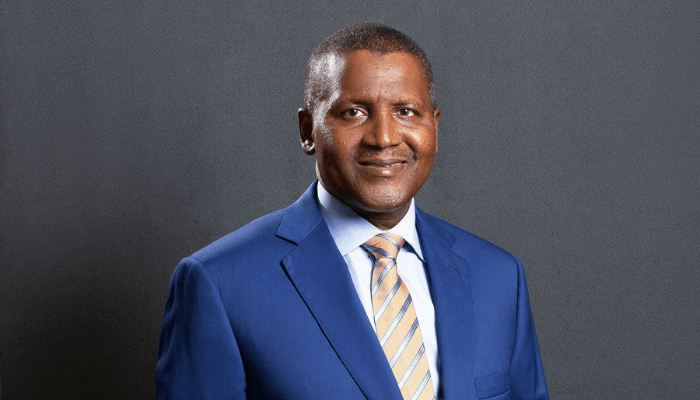
DANGOTE FAVOURS KENYA’S MOMBASA OVER TANZANIA’S TANGA FOR EAST AFRICA OIL REFINERY
Nigerian billionaire Aliko Dangote has indicated he now favors Kenya’s Mombasa over Tanzania’s Tanga for a proposed 650,000-barrel-per-day oil refinery estimated at USD 15–17 billion, citing port depth, market size, and the need for protection against cheap fuel imports—less than three weeks after pledging to build the facility in Tanga.
- 5 months
ENEOS TO BUY CHEVRON'S STAKE IN SINGAPORE REFINING AND OTHER ASSETS FOR $2.2 BILLION.
Eneos Holdings revealed plans to purchase several downstream energy assets from Chevron in a deal valued at around $2.2 billion. A major part of the agreement involves Chevron’s 50% stake in Singapore Refining Company (SRC), a key refinery operator in Singapore.
- 5 months, 1 week

Africa Energy Insights (AEI) is an African platform with latest news, insights and investment report of Energy Sectors. We bridging the gap and mobilizes investment in Energy resources for Sustainable and reliable Energy supply.