Blog
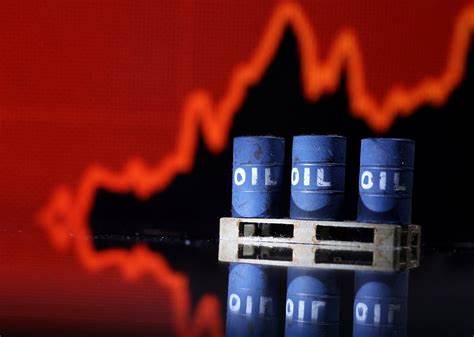
U.S. OIL PRICES RISE CAUTIOUSLY AS CEASEFIRE BETWEEN IRAN AND ISRAEL HOLDS.
Oil prices edged higher as U.S. investors digested the fragile ceasefire between Iran and Israel, with hopes that stability in the Middle East might stave off supply disruptions through key global chokepoints like the Strait of Hormuz. Following intense diplomatic pressure from President Donald Trump, both nations signaled a pause in hostilities, bringing temporary relief to markets that had surged after U.S. strikes on Iranian nuclear sites. Yet the rebound in prices remains modest, as analysts weigh the likelihood of renewed conflict against the backdrop of steady global oil supply and cautious economic fundamentals. With U.S. crude inventories showing a notable decline, traders are balancing geopolitical relief with persistent concerns over energy security, shipping risks, and demand softness all of which continue to shape short-term oil market dynamics.
- 1 year, 3 months
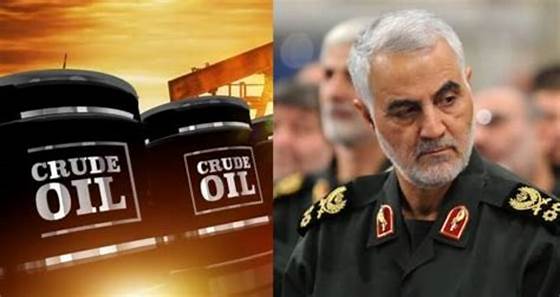
OIL TUMBLES TO OVER ONE WEEK LOWS AS TRUMP ANNOUNCES ISRAEL IRAN CEASEFIRE.
Oil prices plunged to their lowest levels in over a week after U.S. President Donald Trump announced a ceasefire agreement between Israel and Iran, offering a sudden de-escalation of tensions in the Middle East, one of the world’s most critical oil-producing regions. The diplomatic breakthrough has significantly reduced fears of immediate supply disruptions, leading to a sharp unwinding of the risk premium that had built up in oil markets over the past week. Brent and WTI crude both dropped more than 3% as investors shifted away from defensive positions and recalibrated expectations for future price movements. From a geopolitical standpoint, the ceasefire marks a turning point in a volatile regional conflict that had raised the specter of wider military involvement and potential threats to vital shipping lanes like the Strait of Hormuz. Economically, easing tensions could mean fewer disruptions to global energy supplies and lower pressure on fuel costs, which might offer relief to industries and consumers already grappling with inflation. From a business perspective, energy firms and oil traders will be closely monitoring the durability of the ceasefire, as well as potential changes in export volumes from Iran, OPEC’s third-largest producer, which could shift global supply dynamics heading into the second half of the year.
- 1 year, 3 months

UGANDA, TANZANIA AND ZANZIBAR INK OIL PACT.
Kampala, Uganda | THE INDEPENDENT | Uganda signed a tripartite agreement with Tanzania and Zanzibar to deepen regulatory cooperation in the oil and gas sector.
- 1 year, 3 months
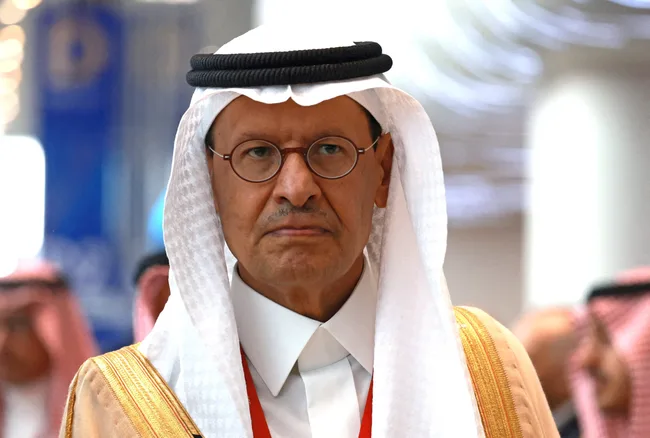
OPEC+ WILL CONTINUE UNWINDING CUTS DESPITE IRAN-ISRAEL WAR.
Opec+ members are expected to continue unwinding 2.2 million barrels per day (bpd) of voluntary cuts and even start rolling back another 3.65 million bpd this year as the Iran-Israel war continues.
- 1 year, 3 months
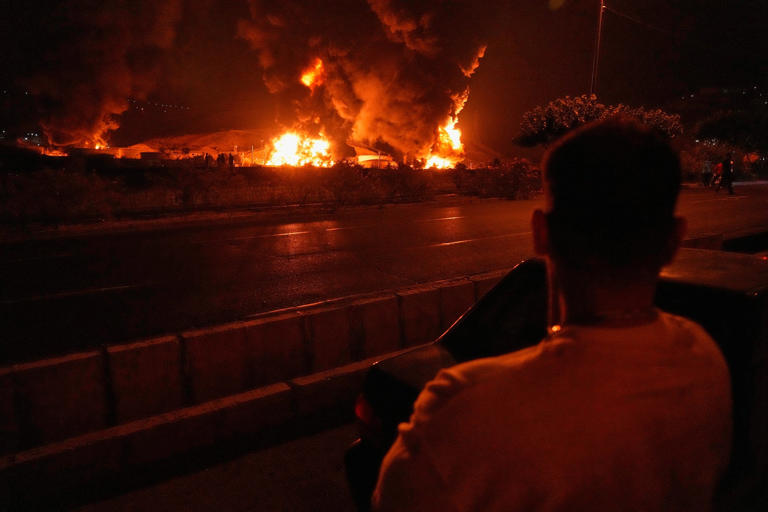
MAJOR OIL PRICE SHOCK LOOMS DUE TO ISRAEL-IRAN CONFLICT.
Motorists may want to fill up their tanks ahead of next week’s price adjustments as the escalating conflict between Israel and Iran could drive local pump prices by as much as P5 per liter next week.
- 1 year, 4 months

HOW OIL PRICES RALLY BOOSTS CBN’S PUSH FOR HIGHER RESERVES, STABLE NAIRA.
The Central Bank of Nigeria (CBN) has ramped up efforts to strengthen foreign reserves, stabilize the naira, and boost dollar liquidity amid the ongoing rally in oil prices driven by heightened tensions between Israel and Iran.
- 1 year, 4 months

Africa Energy Insights (AEI) is an African platform with latest news, insights and investment report of Energy Sectors. We bridging the gap and mobilizes investment in Energy resources for Sustainable and reliable Energy supply.