Blog

SITRA REFINERY IN BAHRAIN NEARS FULL OPERATION.
The Sitra refinery modernization project in Bahrain, led by Bapco Energy, is nearing full completion and is expected to significantly boost the country’s oil refining capacity.
- 1 year, 4 months

NIGERIA: WARTSILA SELECTED TO DEVELOP 30 MW POWER PLANT PROJECT IN LAGOS.
Technology group Wärtsilä has been selected to supply power generation equipment for a new 30 MW power plant being set up on Victoria Island in Lagos by a Nigerian independent power producer (IPP), Victoria Island Power Ltd.
- 1 year, 4 months

OIL PRICES EDGE UP AMID U.S. SANCTIONS ON VENEZUELA AND OPEC+ OUTPUT UNCERTAINTY.
Oil prices ticked up slightly due to renewed supply concerns after the U.S. barred Chevron from exporting crude from Venezuela, limiting Venezuelan barrels to the U.S. and increasing reliance on Middle Eastern oil. Brent rose to $64.16 and WTI to $60.98 per barrel. However, gains were capped by expectations that OPEC+ may boost output following their meeting this week, potentially contributing to an oversupplied market in the second half of the year. Market sentiment remains cautious amid poor quota compliance within OPEC and potential new U.S. sanctions on Russia, which could further disrupt global energy flows. Oil Prices Edge Up Amid U.S. Sanctions on Venezuela and OPEC+ Output Uncertainty
- 1 year, 4 months

ANGOLA: NEW HOPE IN OIL AND GAS SECTOR AS BRAZIL'S PETROBRAS SIGNALS RETURN.
The Brazilian oil company Petrobras and Angolan national oil company Sonangol have signed a Memorandum of Understanding for oil and gas research and development, training, and research on relevant projects for the just energy transition.
- 1 year, 4 months
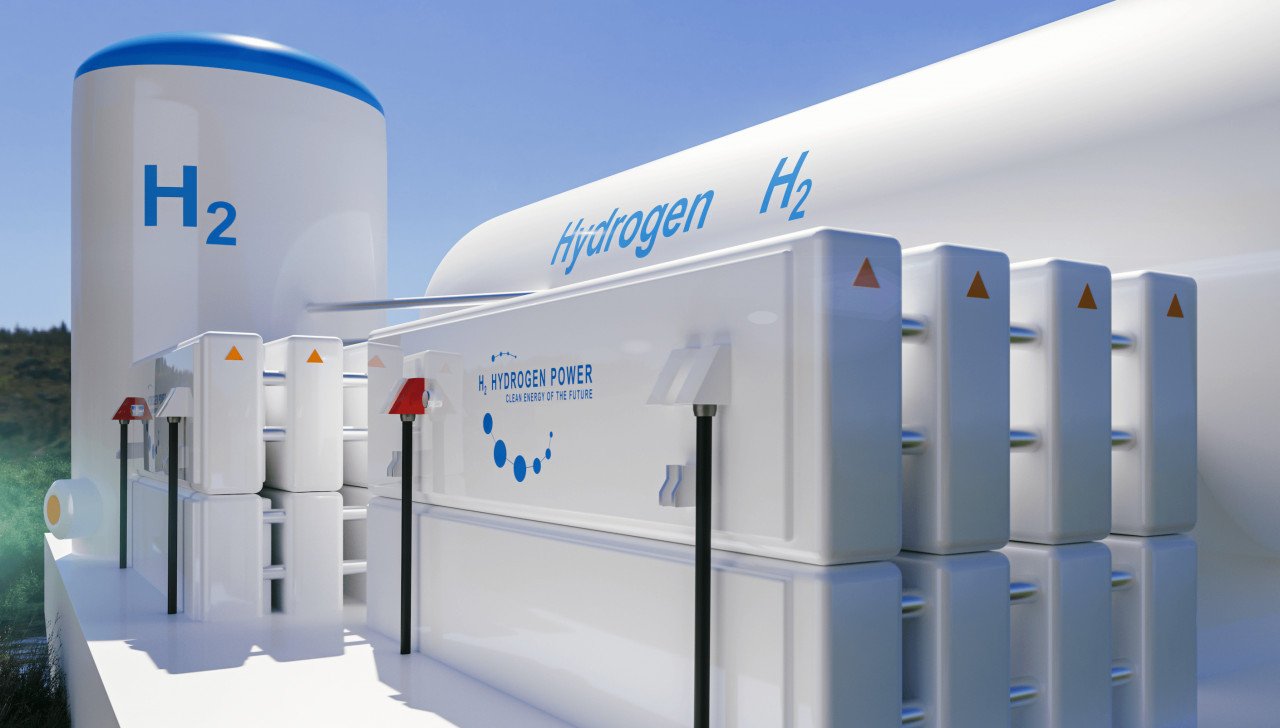
SOUTH AFRICA: ESKOM TAKES BOLD STEP TOWARDS GREEN HYDROGEN FUTURE.
South Africa’s power utility company, Eskom, is considering adding green hydrogen production to its energy portfolio.
- 1 year, 4 months

GERMANY STRENGTHS ENERGY SECURITY WITH LAUNCH OF THIRD LNG AT WILHELMSHAVEN.
Germany has taken a major step toward energy independence and resilience with the commissioning of its third LNG terminal, Wilhelmshaven 2, significantly enhancing the country’s ability to secure stable and diversified energy supplies. This new terminal not only reduces Germany’s reliance on single-source gas imports especially in light of shifting geopolitical dynamics but also plays a vital role in supporting Europe’s broader energy security goals and climate ambitions. By increasing regasification capacity and enabling flexible access to global LNG markets, the project strengthens Germany’s energy infrastructure while laying the groundwork for a more sustainable and self-reliant future.
- 1 year, 4 months

Africa Energy Insights (AEI) is an African platform with latest news, insights and investment report of Energy Sectors. We bridging the gap and mobilizes investment in Energy resources for Sustainable and reliable Energy supply.