Blog
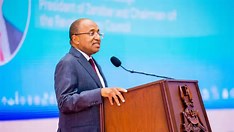
PRESIDENT HUSSEIN ALI MWINYI CALLS FOR REGIONAL PETROLEUM FUND TO BOOST OIL, GAS INDUSTRY.
Zanzibar President Hussein Ali Mwinyi has called on EAC member states to establish a regional petroleum fund to address financing challenges in the oil and gas sector, citing global activism and shifting priorities of traditional financiers as major obstacles. He emphasized the need for financial independence, regional cooperation, and infrastructure development to secure East Africa’s energy future.
- 1 year, 7 months
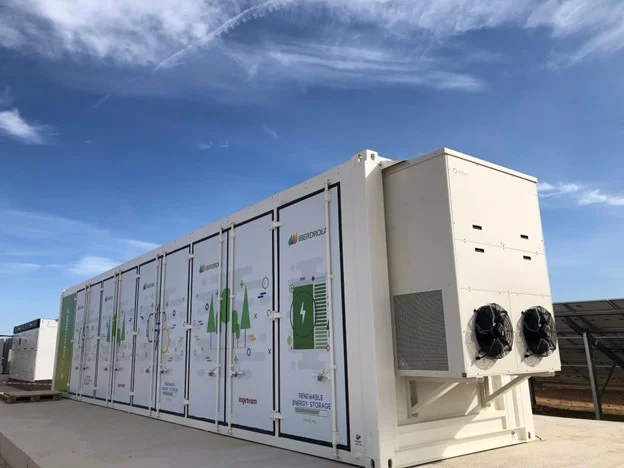
ELECTRICITY STORAGE IN 3 COUNTRIES TOPS EUROPEAN INVESTORS' CONCERNS.
Battery storage markets in Europe, particularly in Italy, Britain, and Germany, are currently attracting significant investor interest due to the size and potential of projects in these countries.
- 1 year, 7 months
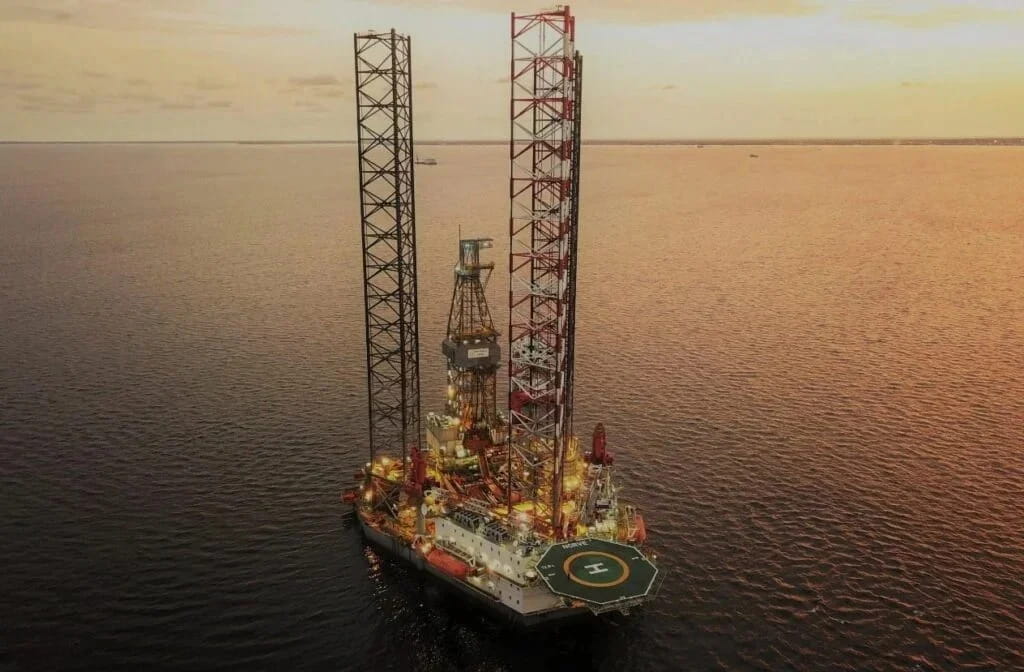
OIL DISCOVERY IN GABON PROMISES INCREASED RESERVES.
Gabon has recently made a significant oil discovery that is expected to increase its oil wealth as it is successfully developed and brought into production, according to the Washington-based Specialized Energy Platform’s oil and gas databases.
- 1 year, 7 months
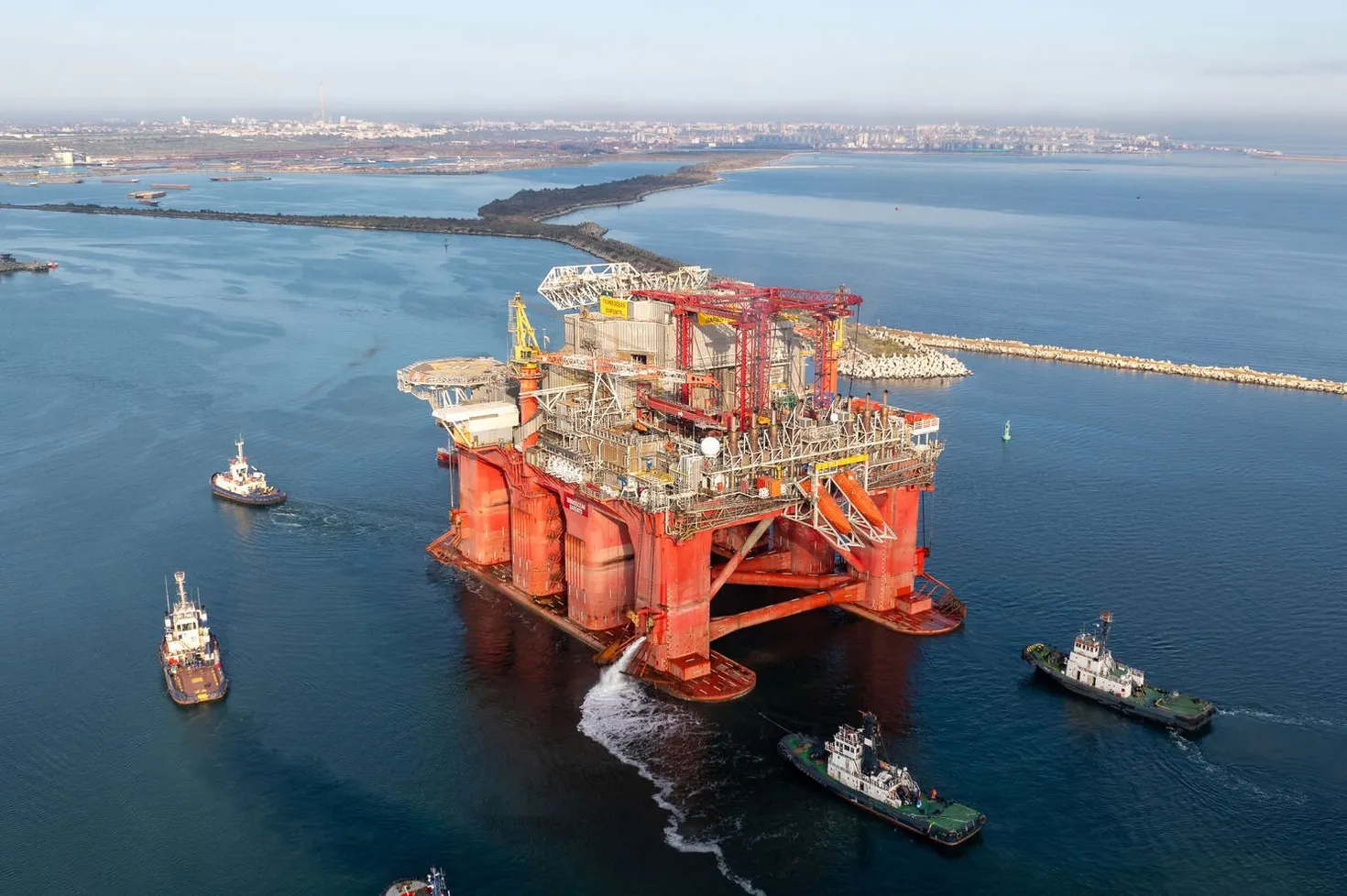
ROMANIAN GAS PROJECT WITH RESERVES OF 100 BILLION CUBIC METERS SIGNS TWO IMPORTANT CONTRACTS.
A significant milestone has been achieved in Romania’s Neptun Deep gas project, which is set to exploit recoverable reserves of 100 billion cubic meters beneath the Black Sea.
- 1 year, 7 months
SAUDI ARAMCO MULLS NEW ACQUISITION.
Saudi Aramco is reportedly exploring the possibility of acquiring BP's lubricant assets as part of its ongoing expansion into the refining and chemicals sectors, according to a recent Bloomberg report.
- 1 year, 7 months
TURKISH ENERGY BENEFITS FROM GLOBAL UPHEAVAL.
Turkish President Recep Tayyip Erdoğan has been strategically working to position Turkey as a key energy hub, linking natural gas producers in the east and south with markets in the west.
- 1 year, 7 months

Africa Energy Insights (AEI) is an African platform with latest news, insights and investment report of Energy Sectors. We bridging the gap and mobilizes investment in Energy resources for Sustainable and reliable Energy supply.