Blog
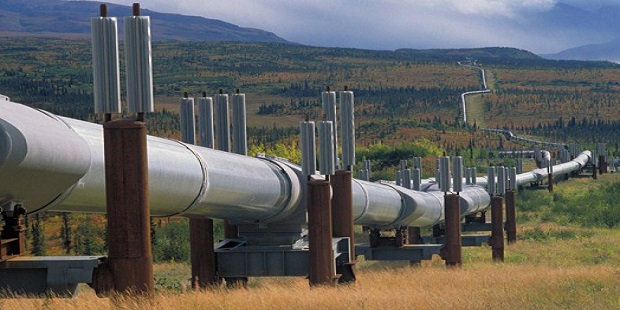
TANZANIA: TAZAMA PIPELINE CAPACITY SURGES .
The Tanzania–Zambia Crude Oil Pipeline (TAZAMA) has increased its fuel transport capacity to 1.2–1.3 billion litres annually by introducing a Drag Reduction Agent (DRA) that reduces friction and enhances efficiency. This innovation significantly boosts daily fuel flow, providing economic benefits to both Tanzania and Zambia while avoiding costly pipeline expansions.
- 1 year, 8 months

NORWAY: THE FIRST WALL OF A FLOATING OFFSHORE WIND TURBINE TO APPEAR FOR THE FIRST TIME IN THE WORLD.
Norway's first pilot site for floating offshore wind turbines has received significant funding for its development, marking a major milestone for the country's renewable energy efforts.
- 1 year, 8 months
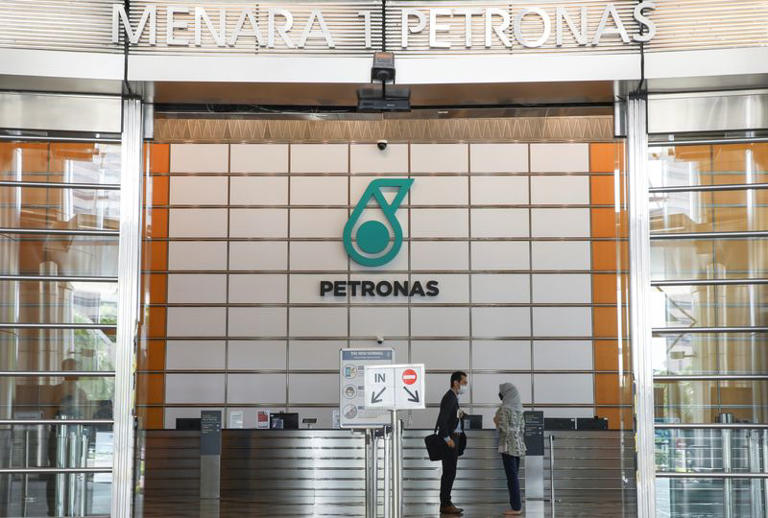
MALAYSIA'S PETRONAS AIMS TO BOOST OIL AND GAS OUTPUT OVER NEXT 3 YEARS.
Petronas plans to increase Malaysia’s oil and gas production to 2 million barrels of oil equivalent per day between 2025 and 2027 through key projects and exploration activities. The company aims to drill over 400 wells and execute 39 upstream projects, including offshore platforms, onshore facilities, and extensive pipeline installations.
- 1 year, 8 months
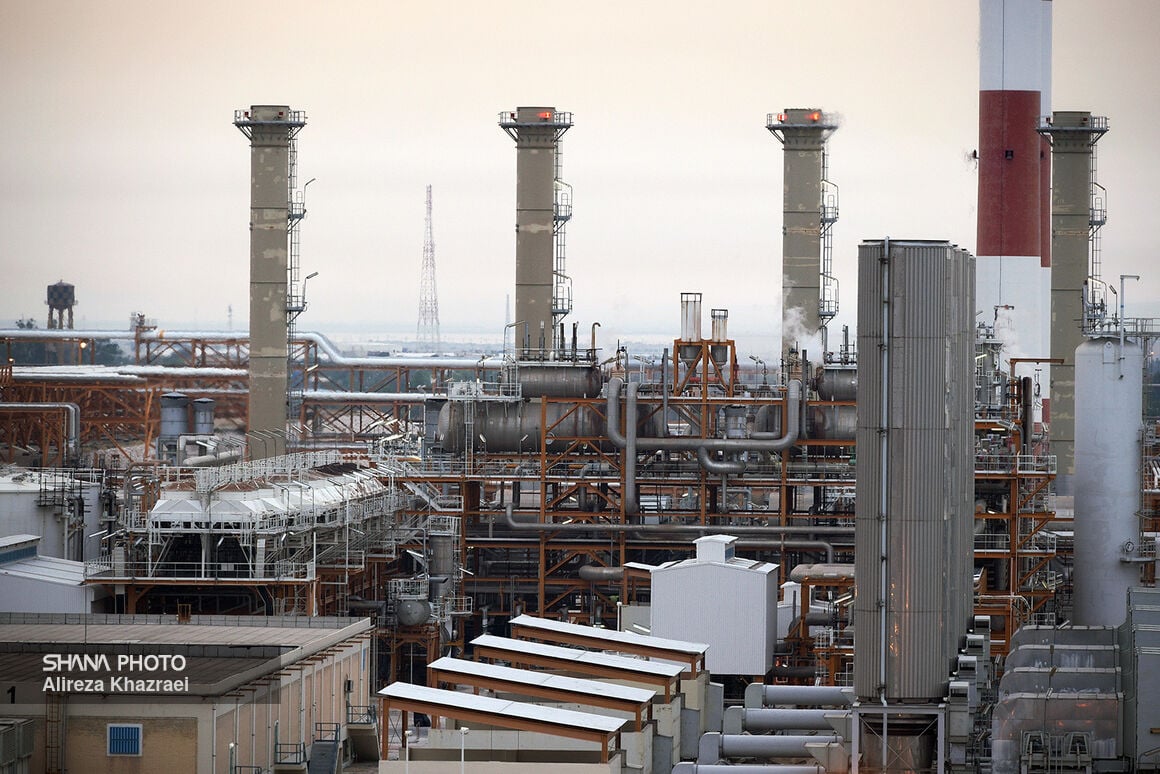
SOUTH PARS COMPLEX BOOSTS IRANIAN GAS PRODUCTION BY 165 BILLION CUBIC METERS.
In recent months, Iran's gas production has seen a significant boost, largely driven by the South Pars complex, as part of the country's efforts to meet domestic demand.
- 1 year, 8 months

TOTALENERGIES WILL SUPPLY 1.5 TWH TO STMICROELECTRONICS IN FRANCE OVER 15 YEARS.
TotalEnergies has signed a 15-year agreement to supply STMicroelectronics in France with 1.5 TWh of renewable electricity from wind and solar farms, starting in 2025. This deal supports STMicroelectronics’ goal of achieving carbon neutrality in its operations by 2027 through 100% renewable energy sourcing.
- 1 year, 8 months

PETROBRAS INCREASES OIL AND GAS RESERVES TO 11.4 BILLION BARRELS.
Petrobras has increased its proven oil and gas reserves to 11.4 billion barrels of oil equivalent (boe) in 2024, up from 10.9 billion boe in 2023, mainly due to advancements in key offshore fields. The company emphasizes the need for continued investment in exploration and recovery to sustain future production.
- 1 year, 8 months

Africa Energy Insights (AEI) is an African platform with latest news, insights and investment report of Energy Sectors. We bridging the gap and mobilizes investment in Energy resources for Sustainable and reliable Energy supply.