Oil & Gas
AFRICAN NATIONS STEP UP EFFORTS TO ATTRACT INTERNATIONAL INVESTMENT IN OIL AND GAS INFRASTRUCTURE.

Irene Jerry
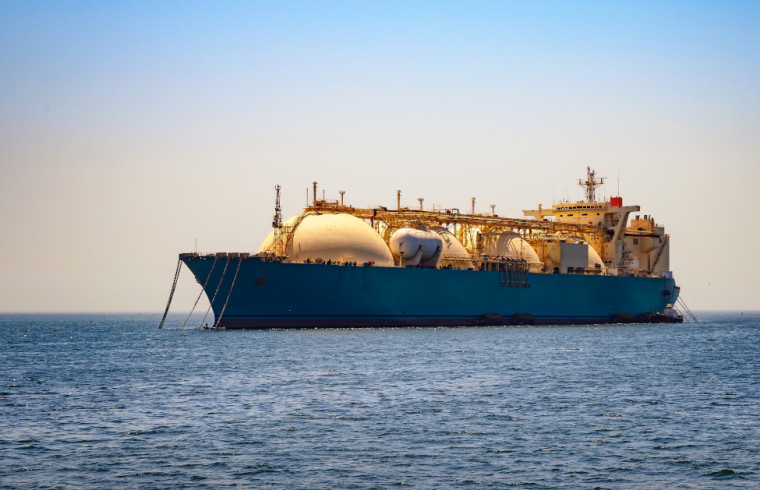
African countries are intensifying efforts to attract foreign investment into their oil and gas industries as they seek to unlock untapped resources, boost production and expand energy infrastructure. Through new licensing rounds for oil and gas exploration and production, governments are creating opportunities for international energy companies to invest in the continent's growing energy sector.
These initiatives are aimed at mobilising financial resources, advanced technologies and technical expertise to accelerate the development of Africa's natural resources and stimulate economic growth.
The push for new investors comes as several major international oil and gas companies reassess their operations and scale back investments in some African countries. Their decisions have been influenced by changing global energy strategies, operational costs, regulatory uncertainties, security concerns and the growing transition towards renewable energy.
In response, African governments are exploring new investment partnerships with independent energy firms, national oil companies and investors from emerging economies to sustain ongoing projects and prevent valuable oil and gas discoveries from remaining undeveloped.
Countries including Nigeria, Angola, Algeria, Libya, Senegal and Côte d'Ivoire are strengthening their investment strategies through new licensing opportunities, policy reforms and incentives designed to attract international energy players. Nigeria, for example, has introduced a 2026 licensing round covering 40 oil and gas blocks across onshore, shallow-water and deepwater locations. Beyond exploration and production, African governments are also encouraging investment in gas processing plants, pipelines, LNG facilities and storage infrastructure to improve energy distribution, support industrialisation and increase the continent's participation in international energy markets.
Despite these opportunities, attracting global capital will require African countries to address challenges that could discourage potential investors. Governments need to strengthen regulatory systems, improve security, ensure policy consistency and promote transparency in the management of energy projects.
Equally important is ensuring that investments translate into tangible economic benefits through employment opportunities, increased public revenues, technology transfer and improved access to reliable energy. As the global energy landscape continues to evolve, African nations face the challenge of maximising their oil and gas potential while maintaining environmental responsibility and preparing for a more diversified energy future.
Comments

Africa Energy Insights (AEI) is an African platform with latest news, insights and investment report of Energy Sectors. We bridging the gap and mobilizes investment in Energy resources for Sustainable and reliable Energy supply.