Oil & Gas
BIOFUELS BACK IN VOGUE AS IRAN WAR TRIGGERS OIL PRICE SURGE.

Irene Jerry
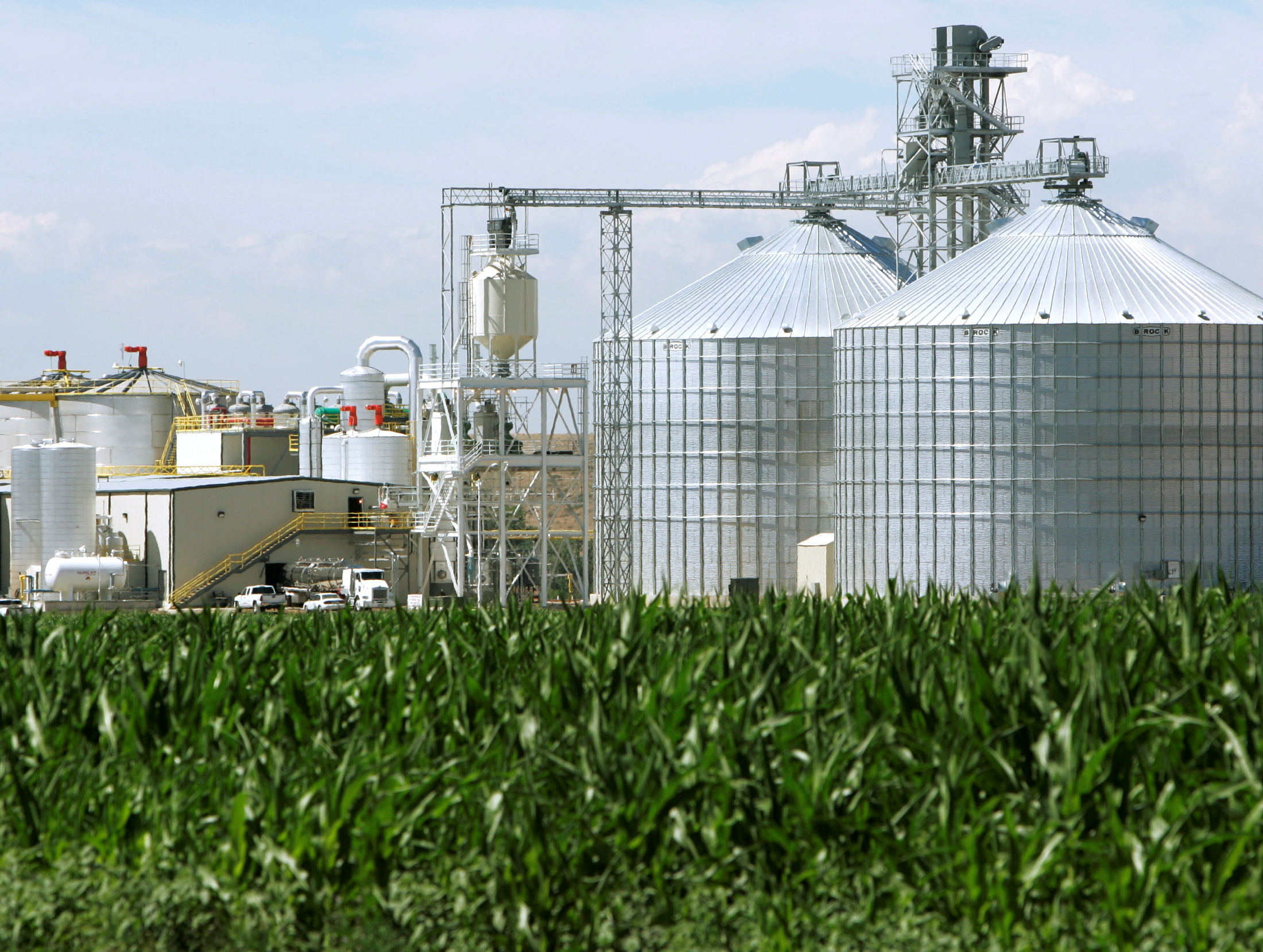
Rising geopolitical tensions involving the United States, Israel, and Iran have disrupted global energy markets, particularly through the Strait of Hormuz, a critical route that carries about 20% of the world’s oil and gas supplies.
This disruption has pushed crude oil prices up by more than 30% since late February, creating supply concerns and economic pressure for countries that depend heavily on imported fuel.
In response, many Asian nations such as India, Japan, and South Korea are increasing their interest in biofuels as an alternative energy source. Biofuels, including ethanol and biodiesel, can be produced domestically from crops like corn and vegetable oils, helping reduce reliance on volatile global oil markets and improving energy security.
Another factor driving this shift is cost. While crude oil prices have surged sharply, key biofuel inputs like corn have risen by only about 5%, making biofuels relatively more affordable in comparison. This price gap makes blending or substituting biofuels an attractive short-term strategy for governments trying to stabilize fuel costs and cushion their economies from global price shocks.
However, expanding biofuel production raises concerns about food security. Using crops for fuel can reduce food supply and potentially drive up food prices, especially in vulnerable regions.
Policymakers must therefore balance the benefits of energy independence and lower fuel costs against the risk of increased food inflation, making biofuels a useful but complex solution in the current crisis.
Comments

Africa Energy Insights (AEI) is an African platform with latest news, insights and investment report of Energy Sectors. We bridging the gap and mobilizes investment in Energy resources for Sustainable and reliable Energy supply.