Oil & Gas
CENTRAL ASIA FEELS THE PINCH OF RUSSIA'S FUEL CRUNCH.

Irene Jerry
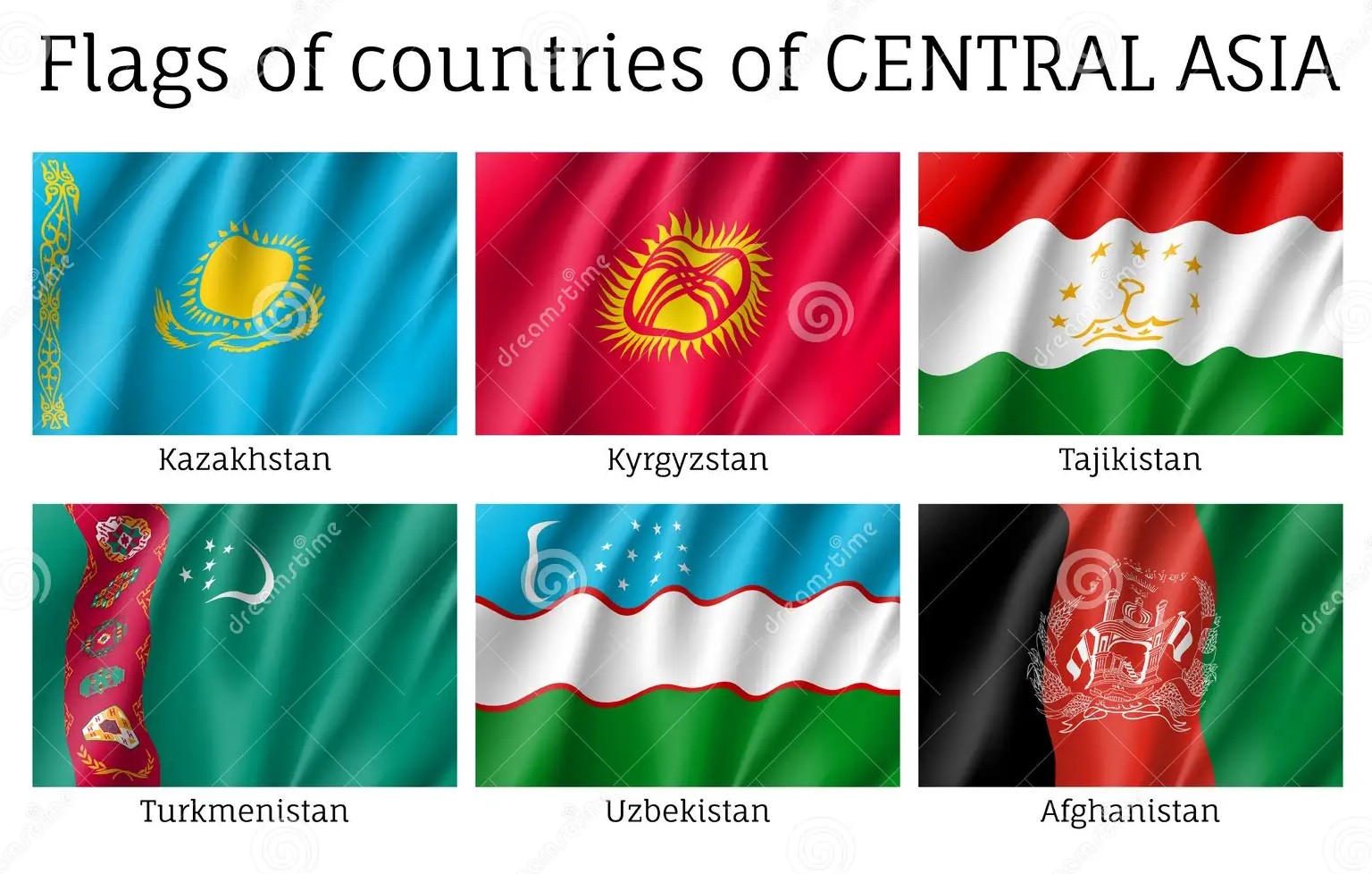
Fuel shortages in Russia, driven by Ukrainian drone strikes on Russian oil refineries, have begun affecting Central Asian countries that rely heavily on Russian fuel imports, according to traders and market participants.
The disruption has significantly reduced fuel supplies to the region, raising concerns over energy security and supply stability.
In June, Russian rail exports of jet fuel to Central Asia and Afghanistan fell by more than 92% compared to May, reaching only 3,800 metric tons, while gasoline exports declined by 34% to 99,300 metric tons. In contrast, diesel exports increased from 167,500 metric tons in May to 237,700 metric tons in June.
Despite the monthly decline, total Russian fuel exports to Central Asia and Afghanistan increased by 7% during the first half of 2026, reaching 3.82 million metric tons, following a 19% rise recorded in 2025.
Russia's largest oil producer, Rosneft, supplied nearly half of the gasoline exported to the region, while other key suppliers included Gazpromneftekhim Salavat and Gazprom Neft.
The fuel shortages stem from intensified Ukrainian attacks on Russia's energy infrastructure, particularly oil refineries, which have disrupted domestic refining operations and contributed to fuel shortages, long queues at filling stations, and higher gasoline and diesel prices within Russia.
The supply disruptions have prompted Central Asian countries to seek alternative sources of fuel.
Tajikistan recently announced that it has approximately 60 days of fuel reserves and is engaging neighboring countries to secure future supplies, while Kyrgyzstan has also sought assistance from regional partners.
Meanwhile, Russia has imposed a ban on exports of gasoline, jet fuel, and diesel, with the exception of supplies delivered under intergovernmental agreements.
Comments

Africa Energy Insights (AEI) is an African platform with latest news, insights and investment report of Energy Sectors. We bridging the gap and mobilizes investment in Energy resources for Sustainable and reliable Energy supply.