Oil & Gas
CHINA BEGINS TAPPING OIL STOCKPILES AS MIDDLE EAST CRISIS DRAGS ON

Irene Jerry
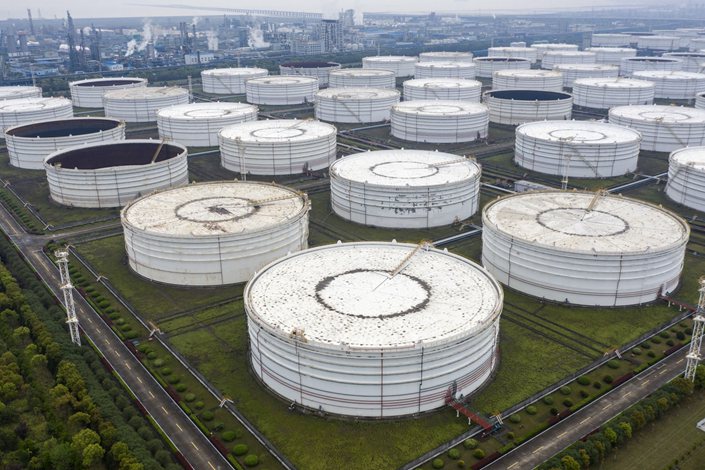
China began drawing from its substantial oil reserves in May, roughly three months after the Middle East conflict disrupted around 10% of global oil supply. The move suggests that Beijing remains reluctant to purchase crude at elevated spot-market prices. Analysts from Energy Aspects, Kpler, and Vortexa estimate that China could release an average of about 1 million barrels per day from its stockpiles over the coming months.
As the world’s largest crude oil importer, China entered the crisis with significant reserves. Prior to the outbreak of the Iran war, the country is believed to have accumulated between 1.2 billion and 1.3 billion barrels of oil in strategic and commercial storage. Actual inventory levels may be even higher, as China closely guards information regarding its oil reserves and stockpile management strategy.
To conserve supplies and manage the impact of the crisis, China has reduced refinery processing rates at major state-owned companies and allowed independent refiners to lower utilization levels as well. This marks a shift from an earlier policy that required refiners to maintain strong gasoline and diesel production despite financial losses in order to safeguard domestic fuel availability during the severe supply disruption.
The easing of refinery output requirements reflects comfortable inventory levels, supported by reduced fuel exports and weaker domestic demand. China’s crude imports in May fell to their lowest level since October 2017 as high oil prices discouraged purchases. At the same time, gasoline consumption has declined amid rising fuel costs and the country’s continued transition toward electric vehicles. Market participants are now closely watching how long China can rely on stockpile withdrawals and reduced refinery activity before it resumes more aggressive crude oil buying.
Comments

Africa Energy Insights (AEI) is an African platform with latest news, insights and investment report of Energy Sectors. We bridging the gap and mobilizes investment in Energy resources for Sustainable and reliable Energy supply.