Oil & Gas
DANGOTE REFINERY MOVES TO RESTORE FULL GASOLINE OUTPUT AS AFRICA WATCHES FUEL SUPPLY PRESSURES.
JUMA SULEIMAN
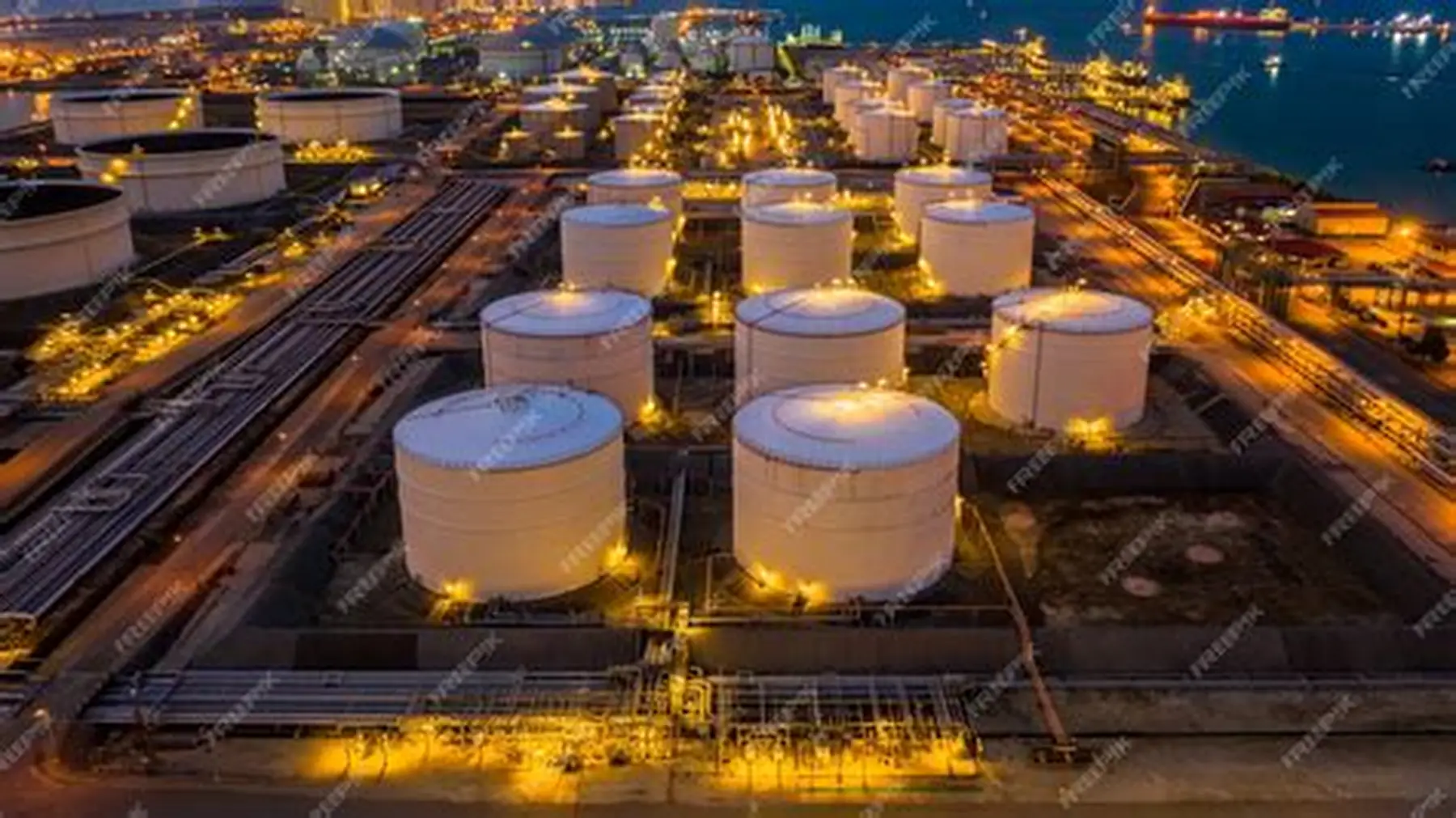
From a business perspective, the return of Dangote’s gasoline unit to full rates is expected to improve fuel supply across Nigeria and neighboring African markets that increasingly depend on the refinery for refined petroleum products. Industry monitor IIR Energy said the refinery reduced operations at its Residue Fluid Catalytic Cracking Unit (RFCC) by 34% since May 21 after processing lighter crude resulted in insufficient feed availability before engineers later identified a technical issue involving the flue gas slide gate valve. Repair works are now nearing completion, with the refinery expected to resume full gasoline production by mid-June. The temporary reduction significantly affected export volumes, with gasoline exports falling to 17,000 barrels per day in May and averaging only 10,000 barrels per day in June so far, compared to 81,000 barrels per day in April. Traders and downstream fuel distributors across Africa are watching closely as the refinery prepares to normalize supply.
Economically, the refinery’s restoration is seen as critical for easing pressure on fuel prices in Nigeria and the wider African market at a time of rising global energy costs. Energy analysts say the Dangote Refinery remains one of Africa’s strongest tools for reducing fuel import dependency and improving long-term energy security. Fuel prices have surged across several African countries following supply disruptions linked to the Middle East conflict and higher crude prices. With a refining capacity of 650,000 barrels per day, the facility is expected to strengthen Nigeria’s role as a regional supplier while supporting transport, manufacturing and industrial sectors heavily reliant on stable fuel availability. Analysts also believe stronger refinery operations could help reduce foreign exchange pressure caused by expensive fuel imports.
Geopolitically, the refinery’s growing importance highlights Africa’s broader push toward energy independence amid global instability and shifting supply chains. The Dangote Refinery is increasingly positioning Nigeria as one of Africa’s most strategic energy hubs during a period of global fuel uncertainty. For decades, many African countries depended heavily on imported refined products from Europe and the Middle East, leaving them exposed to geopolitical crises, shipping disruptions and volatile international pricing. Energy experts say the refinery’s success could reshape regional fuel trade flows, strengthen intra-African energy cooperation and reduce the continent’s vulnerability to external supply shocks as global energy markets remain under pressure.
Comments

Africa Energy Insights (AEI) is an African platform with latest news, insights and investment report of Energy Sectors. We bridging the gap and mobilizes investment in Energy resources for Sustainable and reliable Energy supply.