Power Grid
GERMAN REGULATOR CLEARS PATH FOR EV BATTERIES TO POWER HOMES AND FEED GRID.

Irene Jerry
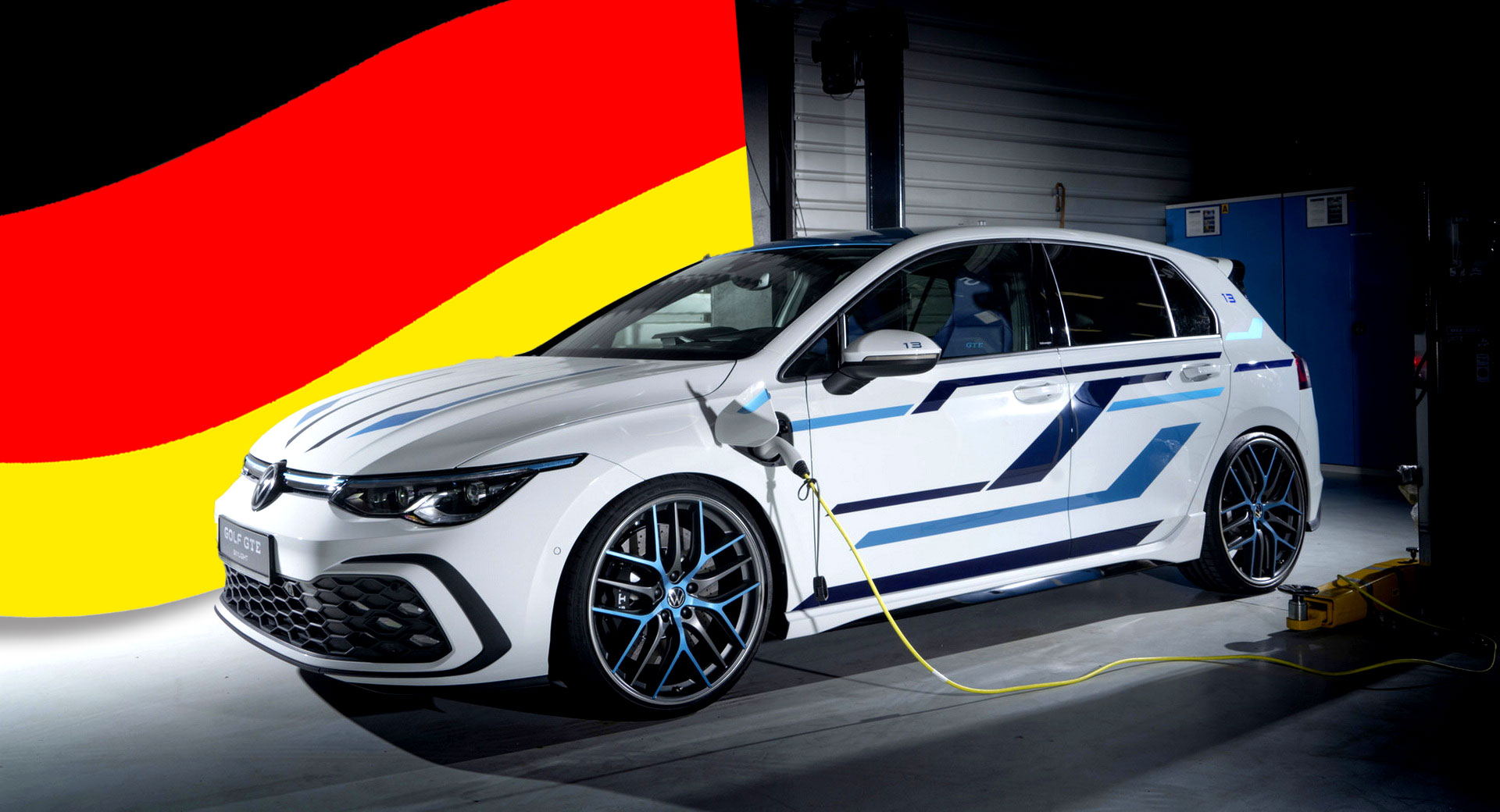
Germany’s energy regulator on Thursday introduced new rules allowing electric vehicle owners to use their car batteries to supply electricity to their homes or feed power back into the grid.
The move marks a significant step forward for vehicle-to-grid technology, following revisions to the regulator’s initial proposal after criticism from industry stakeholders.
The Bundesnetzagentur’s MiSpe ruling short for Market Integration of Storage and Charging Points removes a regulatory obstacle that had prevented owners of subsidized solar systems from combining rooftop-generated and grid-supplied electricity in their batteries without risking their eligibility for payments under Germany’s Renewable Energy Act (EEG).
Under the new rules, EV owners can store inexpensive electricity generated by their solar panels or drawn from the grid in their vehicle batteries. They can then use that stored power at home or return it to the grid when electricity prices are more favorable, while eligible renewable electricity can continue to receive EEG support.
The framework will rely on 15-minute meter readings to distinguish between electricity generated by solar panels, supplied by the grid, and stored in batteries. During a transition period lasting until September 30, 2027, users will need approval from grid and metering operators, giving those companies time to establish the necessary IT infrastructure and billing systems.
Comments

Africa Energy Insights (AEI) is an African platform with latest news, insights and investment report of Energy Sectors. We bridging the gap and mobilizes investment in Energy resources for Sustainable and reliable Energy supply.