Power Grid
HUNGARY TO SINK TWO BARGES NEAR NUCLEAR PLANT TO ENSURE COOLING.

Irene Jerry
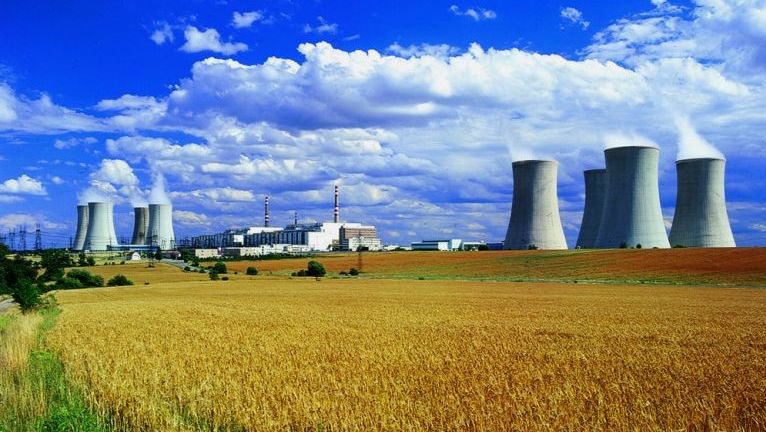
Hungarian authorities are preparing emergency measures to address critically low water levels in the Danube River, which are affecting operations at the Paks Nuclear Power Plant, the country’s main nuclear facility.
Prime Minister Péter Magyar said authorities planned to sink two large barges near the plant to temporarily increase the river’s water level. The measure is intended to help maintain adequate cooling-water supplies as the region faces an exceptional drought and historically low Danube levels.
Paks currently operates at only around 25% of its normal capacity, as the plant relies on water from the Danube for cooling. The unusually low river level has significantly reduced the plant’s ability to operate its turbines safely and efficiently. The situation highlights the growing vulnerability of river-dependent power infrastructure to prolonged drought, extreme heat, and changing weather patterns.
The two barges, each approximately 80 metres (260 feet) long, are expected to be deliberately submerged near the plant. According to the Hungarian government, this temporary intervention could raise the local water level by approximately 20 centimetres (8 inches).
In parallel, authorities are planning to construct a permanent riverbed “sill” a submerged dam-like structure designed to control water flow—which could increase the water level by up to one metre. However, construction of the sill is expected to take several weeks.
The situation is part of a wider European energy and climate challenge. Romania recently shut down its last operating nuclear reactor because drought and low river levels affected its cooling-water supply. The developments in Hungary and Romania demonstrate how extreme climate conditions can increasingly disrupt nuclear power generation, electricity supply, shipping, agriculture, and public health.
They are also raising important questions about how existing nuclear facilities and other water-dependent energy infrastructure should be adapted to withstand more frequent and severe drought conditions.
Comments

Africa Energy Insights (AEI) is an African platform with latest news, insights and investment report of Energy Sectors. We bridging the gap and mobilizes investment in Energy resources for Sustainable and reliable Energy supply.