Oil & Gas
OIL SLIPS $5 AS US, IRAN SEEN MOVING CLOSER TO PEACE DEAL

Irene Jerry
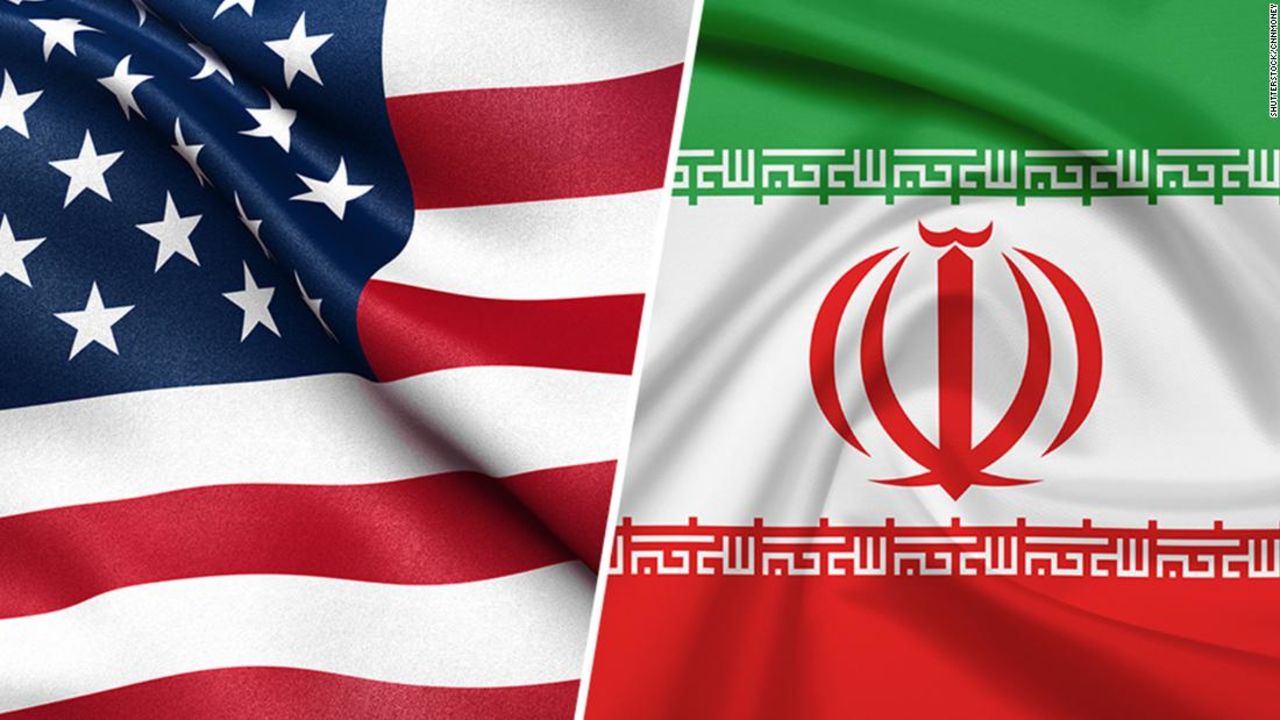
Oil prices dropped by more than $5 on Monday, reaching their lowest levels in two weeks, after growing optimism that the United States and Iran were making progress toward a possible peace agreement. The potential deal is expected to help reopen the Strait of Hormuz, a major global route for oil and liquefied natural gas shipments that has been heavily affected by the recent conflict. Brent crude fell nearly 5% to around $98 per barrel, while U.S. West Texas Intermediate crude declined more than 5% to about $91 per barrel.
Over the weekendm, U.S. President Donald Trump stated that Washington and Iran had “largely negotiated” an understanding aimed at easing tensions and restoring safe passage through the Strait of Hormuz. Analysts said the possibility of reduced disruptions in global oil supply brought some relief to the market, although uncertainty remains due to unresolved political and security issues between the two countries.
Despite the positive developments, experts warned that markets remain cautious because previous negotiations between the U.S. and Iran have collapsed in the past. Analysts also noted that even if an agreement is reached, it could take several months for oil and gas exports to fully normalize as damaged energy infrastructure still requires repairs. Concerns also remain over whether global leaders are committed to ending the disruptions quickly.
Meanwhile, higher energy prices in the United States encouraged energy companies to increase drilling activity for the fifth consecutive week. According to Baker Hughes, the number of active oil and natural gas rigs rose by seven to 558, the highest level since June 2025, although the total remains slightly below last year’s levels. Market analysts added that while oil markets are attempting to stabilize after recent heavy losses, investor confidence remains weak due to ongoing geopolitical and economic uncertainties.
Comments

Africa Energy Insights (AEI) is an African platform with latest news, insights and investment report of Energy Sectors. We bridging the gap and mobilizes investment in Energy resources for Sustainable and reliable Energy supply.