Oil & Gas
PRESIDENT SAMIA’S GOVERNMENT SCRAPS EV AND CNG TAXES IN MAJOR CLEAN ENERGY TRANSFORMATION.
JUMA SULEIMAN
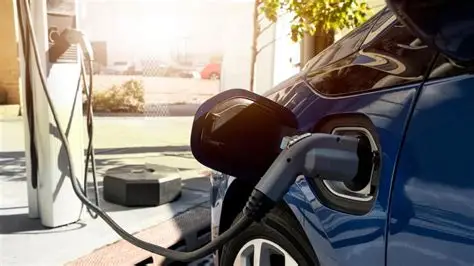
From a business perspective, the government’s new tax reforms are expected to significantly reduce the cost of owning and operating electric and gas-powered vehicles while creating major opportunities for investors in clean energy infrastructure. Finance Minister Dr. Khamis Mussa Omar announced the removal of excise duty based on engine capacity for electric and gas vehicles, alongside a reduction in customs duty on electric vehicles from 25% to 10%. The government has also exempted VAT across the entire CNG production and distribution chain, including compressors, storage systems, transportation equipment, dispensers and vehicle conversion technology. Charging stations for electric vehicles and imported raw materials used to manufacture gas cylinders and EV batteries will also benefit from tax relief, lowering operational costs for companies entering Tanzania’s growing clean transport sector.
Economically, the reforms are designed to make cleaner energy alternatives more affordable for Tanzanians while supporting domestic industrialization and reducing pressure caused by fuel imports. Tanzania has increasingly invested in natural gas infrastructure and clean transport as part of broader efforts to strengthen long-term energy security and lower transportation costs for businesses and consumers. The tax exemptions are expected to reduce barriers that have slowed the adoption of electric vehicles and CNG transport systems across East Africa, making clean transportation more accessible to both businesses and ordinary citizens. The government also confirmed additional customs duty relief for local vehicle assemblers and manufacturers producing electric and gas-powered vehicles under East African Community regulations, a move expected to encourage local manufacturing, create jobs and strengthen Tanzania’s industrial base.
Geopolitically, the reforms position Tanzania among a small group of African countries actively using fiscal policy to accelerate the transition toward cleaner and more sustainable energy systems. As many African economies remain heavily dependent on imported petroleum products and exposed to global oil market volatility, Tanzania’s strategy reflects a growing push for greater energy independence and regional competitiveness. President Samia’s administration is increasingly positioning Tanzania as a regional hub for clean transportation, CNG investment and green industrial development in East Africa. Analysts say the reforms could attract regional and international investors seeking stable clean energy markets while strengthening Tanzania’s influence in Africa’s emerging energy transition agenda.
Comments

Africa Energy Insights (AEI) is an African platform with latest news, insights and investment report of Energy Sectors. We bridging the gap and mobilizes investment in Energy resources for Sustainable and reliable Energy supply.