Oil & Gas
RUSSIAN OIL FIRMS URGED TO PROCESS 30% OF CRUDE DOMESTICALLY AS FUEL CRISIS DEEPENS.
JUMA SULEIMAN
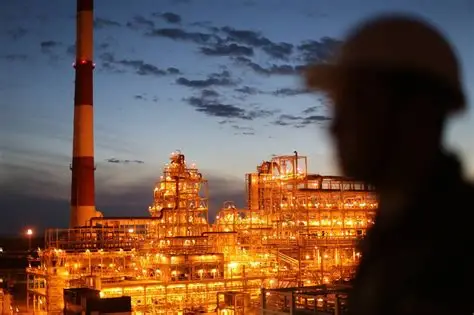
According to reports by Kommersant newspaper, Rosneft chief Igor Sechin submitted a proposal to President Vladimir Putin in late May calling for Russian oil companies to retain at least 30% of the crude they produce for processing at domestic refineries. The recommendation comes amid mounting challenges facing Russia's refining industry, which has been repeatedly targeted by Ukrainian drone attacks in recent months. The attacks have damaged key facilities, disrupted operations and reduced fuel production, raising concerns about the stability of domestic fuel supplies across the country. The proposal is now under review after President Putin reportedly instructed Deputy Prime Minister Alexander Novak to follow up on the recommendations.
The suggested policy reflects growing concerns within Moscow over fuel availability as disruptions ripple through the country's energy system. Russia remains the world's third-largest oil producer, but the combination of infrastructure damage and reduced refining capacity has created pressure on domestic fuel markets. THE GOVERNMENT IS NOW EXPLORING A RANGE OF OPTIONS TO PREVENT FUEL SHORTAGES, INCLUDING POSSIBLE EXPORT RESTRICTIONS AND ADDITIONAL CONTROLS ON OIL PRODUCERS. Earlier this week, Deputy Prime Minister Novak confirmed that authorities were considering a ban on diesel exports, while reports have also emerged that Russia may even consider importing fuel to address supply gaps in certain regions.
The developments carry significant economic and geopolitical implications for global energy markets. Russia has largely stopped publishing detailed oil production and export data since the start of the Ukraine conflict in 2022, making it more difficult for markets to assess the full impact of supply disruptions. Any move requiring producers to process more crude domestically could reduce export volumes and alter global fuel trade flows at a time when energy markets remain sensitive to supply risks. As the conflict continues to reach deeper into Russia's energy infrastructure, the country's efforts to protect domestic fuel security are becoming an increasingly important factor for both regional stability and international oil markets.
Comments

Africa Energy Insights (AEI) is an African platform with latest news, insights and investment report of Energy Sectors. We bridging the gap and mobilizes investment in Energy resources for Sustainable and reliable Energy supply.