Oil & Gas
TANZANIA AND RWANDA SIGN ENERGY COOPERATION AGREEMENT COVERING POWER TRADE, OIL, GAS AND LNG

Irene Jerry
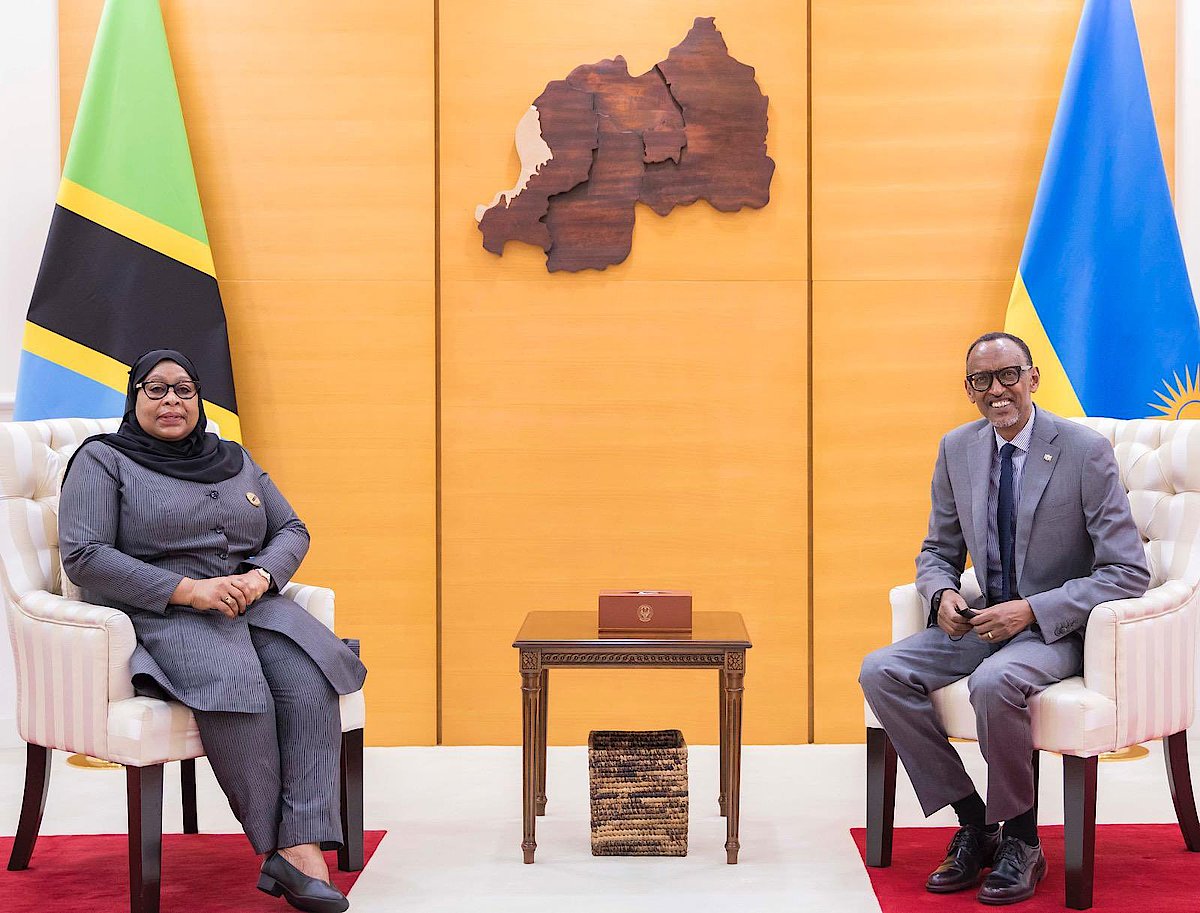
Tanzania and Rwanda have signed a new bilateral energy cooperation agreement aimed at strengthening regional energy integration and expanding collaboration across multiple energy sectors. The agreement includes cross-border electricity trade, joint power infrastructure development, petroleum product distribution, oil and gas exploration, LNG opportunities, and the use of artificial intelligence in the energy industry. The deal was signed in Kigali on 19 May 2026 by Tanzania’s Energy Minister Deogratius Ndejembi and Rwanda’s Infrastructure Minister Jimmy Gasore.
The signing ceremony was witnessed by Tanzanian President Samia Suluhu Hassan and Rwandan President Paul Kagame during the second Nuclear Energy Innovation Summit for Africa (NEISA 2026) held at the Kigali Convention Centre. The summit, organized in partnership with organizations including the International Atomic Energy Agency and United Nations Economic Commission for Africa, focused on promoting nuclear energy investment and innovation across Africa.
Under the agreement, both countries will cooperate on electricity exchange projects to improve regional energy security and support the development of shared power infrastructure. The partnership will also explore opportunities in natural gas and oil development, LNG investments, and advanced technologies such as artificial intelligence for improving efficiency in the energy sector. The Tanzanian delegation included senior government officials and technical experts from the energy, finance, and foreign affairs ministries.
The agreement builds on existing regional energy integration projects, particularly the 80 MW Regional Rusumo Falls Hydroelectric Project, which connected and synchronized the power grids of Tanzania, Rwanda, and Burundi in March 2024. Tanzania continues to strengthen its role as a regional energy hub through electricity interconnections with neighboring countries including Kenya, Rwanda, and Burundi, while projects linking Zambia and Uganda are still progressing. Meanwhile, TANESCO is working to expand domestic power generation capacity to meet rapidly growing electricity demand driven by industrialization and economic growth.
Comments

Africa Energy Insights (AEI) is an African platform with latest news, insights and investment report of Energy Sectors. We bridging the gap and mobilizes investment in Energy resources for Sustainable and reliable Energy supply.