Oil & Gas
TANZANIA'S OIL AND GAS SECTOR ENTERS A NEW ERA OF EXPLORATION, PRODUCTION AND ECONOMIC TRANSFORMATION.
JUMA SULEIMAN
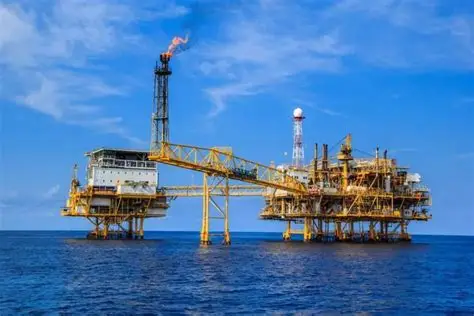
Tanzania's oil and gas journey began more than seven decades ago, with exploration activities dating back to 1952. The country's first major gas discovery was made at Songo Songo in 1974, followed by Mnazi Bay in 1982. Continued exploration efforts, particularly offshore, led to a series of significant discoveries between 2010 and 2012. Today, Tanzania holds approximately 57.54 trillion cubic feet of natural gas reserves, making it one of Africa's leading gas-rich nations. These reserves place Tanzania in a strong position to support domestic energy needs, attract international investment and strengthen its role within East Africa's growing energy market.
Natural gas production continues to expand, with more than 301 billion standard cubic feet produced between 2021 and 2025 from the Songo Songo and Mnazi Bay fields. Looking ahead, some of the country's most significant growth is expected to come from the Ntorya gas project in Mtwara. Initial production is projected at 60 million standard cubic feet per day before increasing to 140 million and eventually 280 million standard cubic feet per day within five years. THE PROJECT HAS THE POTENTIAL TO PRODUCE MORE NATURAL GAS THAN TANZANIA CURRENTLY PRODUCES NATIONWIDE, MAKING IT ONE OF THE MOST IMPORTANT ENERGY DEVELOPMENTS IN THE COUNTRY'S HISTORY. In addition, Maurel & Prom is preparing an $80 million drilling campaign at Mnazi Bay, while authorities prepare to offer 26 new exploration blocks to investors through the country's fifth licensing round.
Beyond upstream production, Tanzania is pursuing transformative projects that could redefine its economic future. The proposed $42 billion LNG project in Lindi aims to commercialize deep-water gas discoveries and position Tanzania among the world's major LNG exporters. At the same time, local content initiatives are ensuring that Tanzanians increasingly benefit from sector growth, with local employment participation reaching approximately 85 percent and local procurement exceeding 60 percent. Under President Samia Suluhu Hassan's leadership, the combination of increased exploration, major infrastructure investments and supportive regulatory reforms is creating opportunities across the entire energy value chain. If successfully executed, these projects could accelerate industrialization, generate thousands of jobs, increase government revenues and strengthen Tanzania's position as a regional energy powerhouse for decades to come.
Comments

Africa Energy Insights (AEI) is an African platform with latest news, insights and investment report of Energy Sectors. We bridging the gap and mobilizes investment in Energy resources for Sustainable and reliable Energy supply.