Oil & Gas
US PUSHED VENEZUELA, IRAQ TO CONSIDER LEAVING OPEC, SOURCES SAY

Irene Jerry
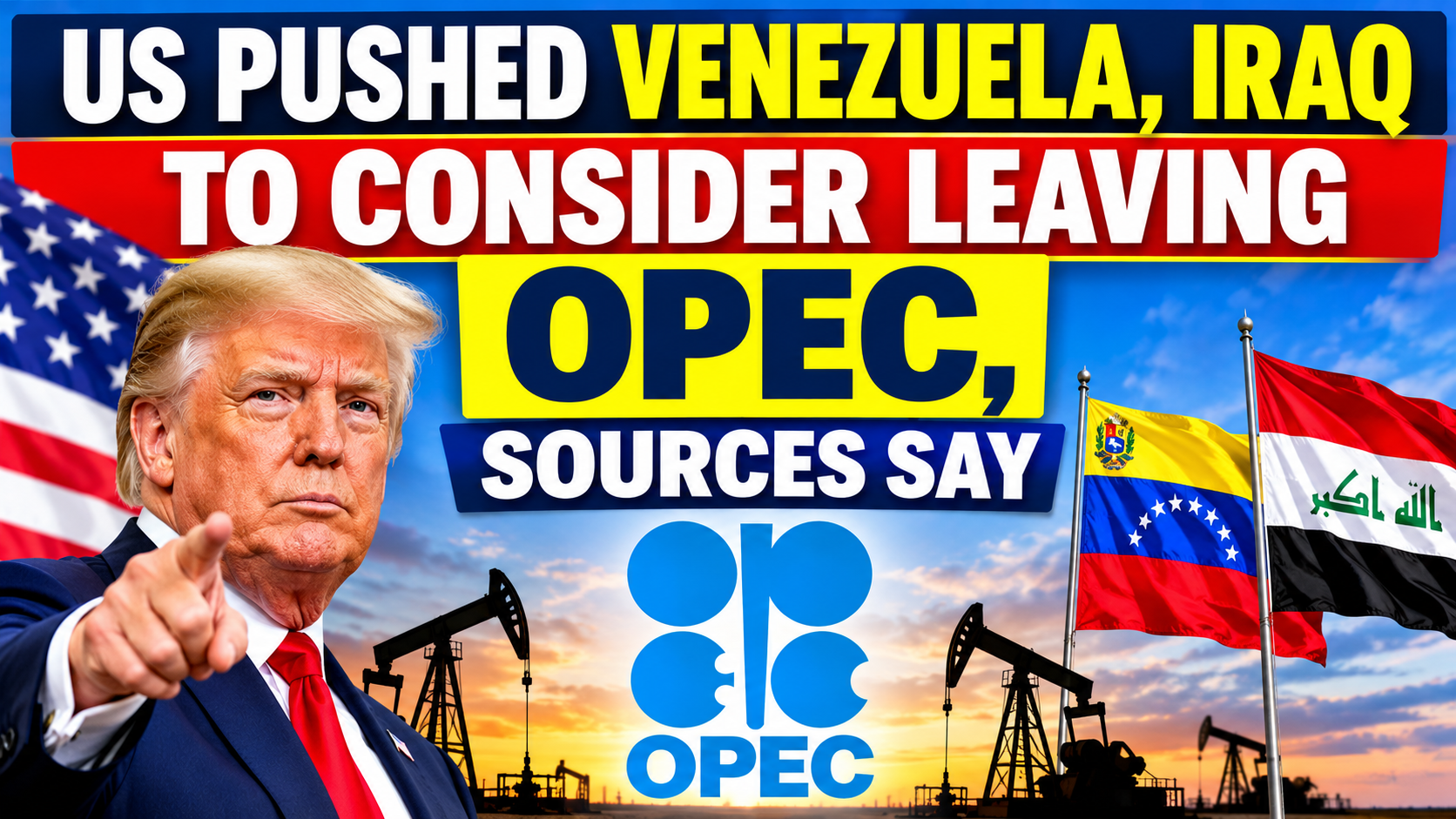
The Trump administration reportedly encouraged Venezuela and Iraq to consider leaving OPEC earlier this year, arguing that the group’s production limits could interfere with plans to increase oil output and attract investment. Washington also blocked Venezuela from paying its annual OPEC membership fees, according to sources familiar with the matter. The moves targeted two of the organization’s five founding members and represented a direct challenge to the oil-producing group.
In Venezuela, US officials discussed leaving OPEC with government representatives after the removal of Nicolás Maduro in January. However, Saudi Crown Prince Mohammed bin Salman reportedly intervened, persuading President Trump’s administration not to pursue the issue further. In Iraq, Prime Minister Ali Faleh al-Zaidi considered withdrawal following discussions with US officials, but the country’s oil ministry urged him to remain in OPEC and instead seek a higher production quota.
Washington has significant financial influence over both countries. The US controls access to Venezuela’s state funds, while Iraq’s oil revenues are held in an account at the Federal Reserve Bank of New York. The State Department said its discussions with Iraq focused on improving energy infrastructure, while acknowledging that lower-level officials may have raised Venezuela’s possible departure from OPEC.
The developments add pressure to an organization that has lost several members in recent years and faces growing challenges over its influence on global oil markets. Although Venezuela has not paid its annual membership fees, OPEC is not planning to expel the country. The situation also highlights Washington’s growing efforts to expand oil production and investment while challenging OPEC’s role in influencing global supply and prices.
Comments

Africa Energy Insights (AEI) is an African platform with latest news, insights and investment report of Energy Sectors. We bridging the gap and mobilizes investment in Energy resources for Sustainable and reliable Energy supply.