Power Grid
ZAMBIA: STATE-OWNED FIRM TO ADD PV CAPACITY TO HYDRO PLANT.

Irene Jerry
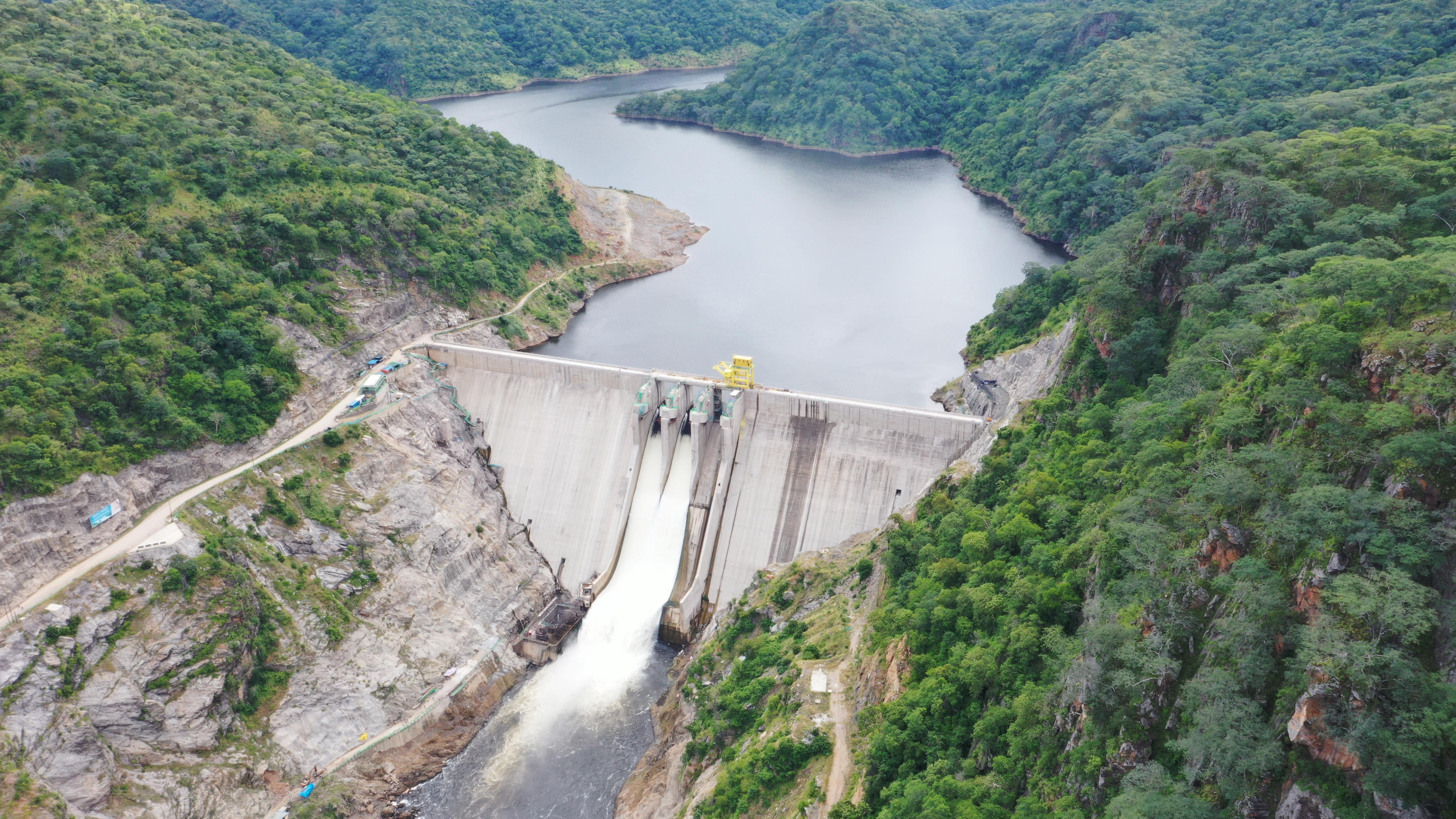
Zambia is expanding its renewable energy capacity by adding a utility-scale solar photovoltaic (PV) plant to an existing state-owned hydroelectric power station the project would become the country’s second co-located hydro-solar facility, combining solar and hydropower generation at the same site.
The initiative aims to diversify Zambia’s electricity supply and reduce its dependence on hydropower, which is vulnerable to drought and declining water levels in reservoirs. Solar panels can generate electricity during daylight hours, while hydropower can help complement solar generation when sunlight is unavailable, provided sufficient water is available. This combination could improve the reliability of electricity supply and reduce the impact of prolonged dry spells.
The project also forms part of Zambia’s broader efforts to expand renewable energy generation and address electricity shortages. Reliable power is particularly important for the country’s mining sector, including copper production, as well as other industries and households. By developing solar facilities alongside existing hydroelectric infrastructure, Zambia may also be able to make use of existing grid connections and electrical infrastructure, potentially improving project efficiency.
However, details such as the planned solar plant’s capacity, investment cost, construction schedule and exact location have not been confirmed in the available report summary. Once implemented, the project could strengthen Zambia’s energy security, support economic development and provide a model for other African countries seeking to combine solar and hydropower to improve electricity reliability amid changing climate conditions.
Comments

Africa Energy Insights (AEI) is an African platform with latest news, insights and investment report of Energy Sectors. We bridging the gap and mobilizes investment in Energy resources for Sustainable and reliable Energy supply.