Blog
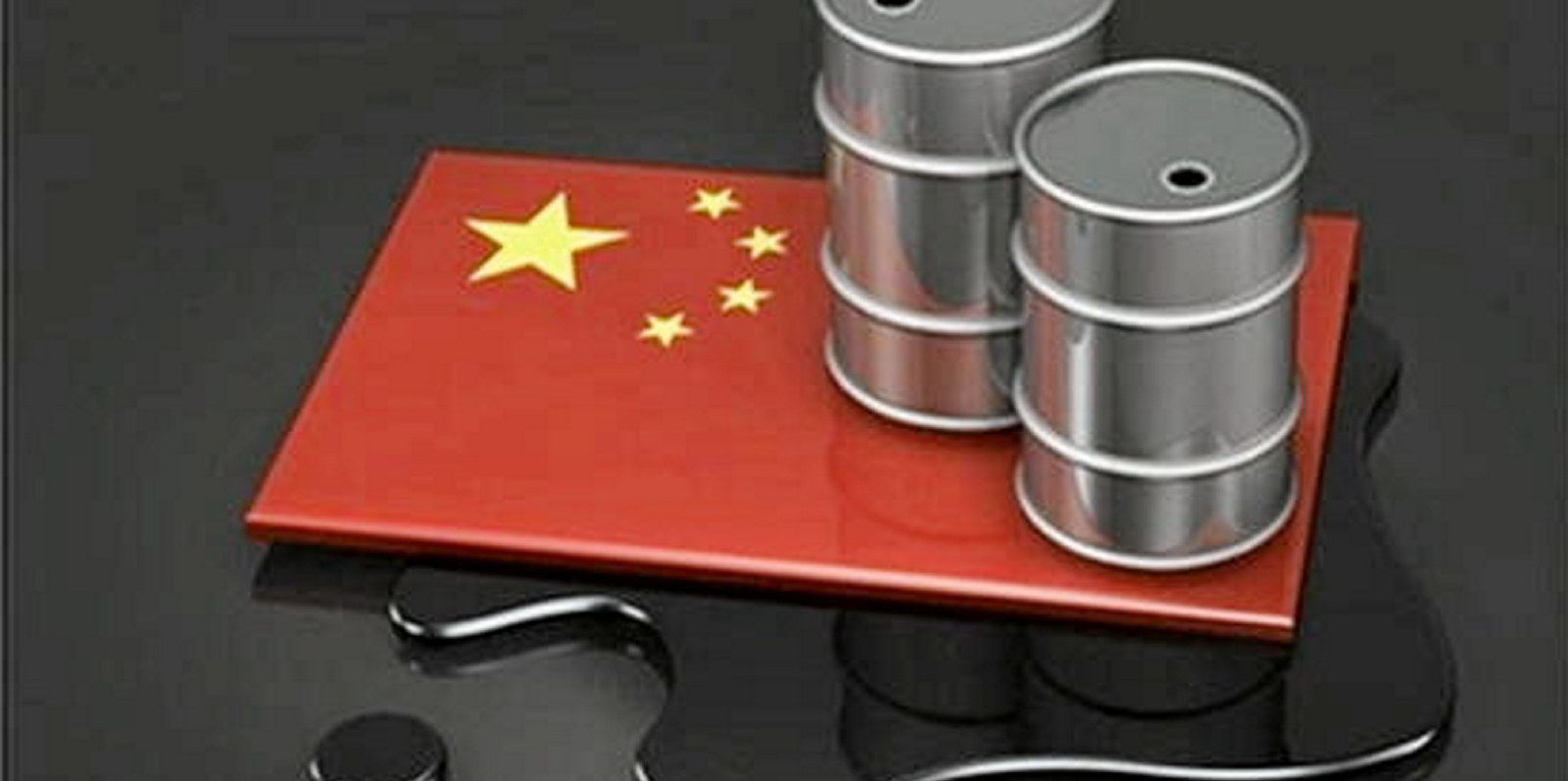
CHINA'S MARCH OIL THROUGHPUT SLOWS AS MIDDLE EAST SUPPLY RISKS RISE, CRUDE OUTPUT HITS RECORD.
China’s oil refining activity slowed in March as geopolitical tensions in the Middle East disrupted crude supply expectations, prompting refiners to scale back operations. Despite the decline in refinery throughput, the country achieved a record level of domestic crude oil production, highlighting Beijing’s efforts to strengthen energy security amid global uncertainty. The contrasting trends reduced refining runs alongside increased domestic output underscore China’s strategic balancing act between managing supply risks, stabilizing fuel markets, and reducing dependence on volatile international energy flows during a period of heightened geopolitical instability.
- 6 months
IMF Warns Of Potential Global Recession Amid High Oil Prices.
The International Monetary Fund (IMF) has downgraded its global economic outlook, warning that the world could slide toward recession if the Iran war continues.
- 6 months
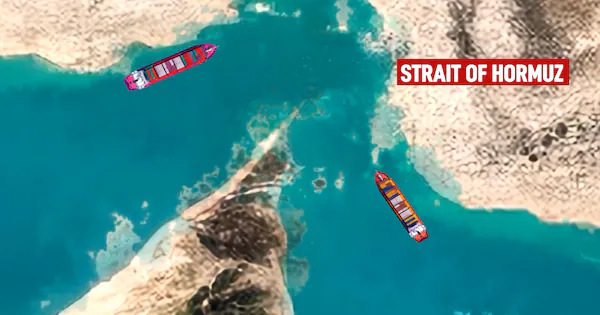
STRAIT OF HORMUZ TRAFFIC BARELY AFFECTED ON FIRST DAY OF U.S. BLOCKADE.
Shipping activity through the Strait of Hormuz showed surprising resilience during the first full day of a U.S.-imposed blockade targeting vessels calling at Iranian ports. Despite heightened geopolitical tensions and uncertainty following the announcement by U.S. President Donald Trump, several ships including Iran-linked tankers successfully navigated the strategic waterway. While overall traffic remains significantly below normal levels seen before the outbreak of the U.S.–Israel conflict with Iran, the initial data suggests that the blockade is being implemented selectively rather than as a complete shutdown. The situation underscores the delicate balance between enforcing geopolitical objectives and maintaining the uninterrupted flow of global energy supplies through one of the world’s most critical maritime chokepoints.
- 6 months

USA: OIL PRICES PLUNGE AFTER TRUMP STEPS BACK WITH CEASEFIRE.
Oil prices fell sharply across global markets after Donald Trump announced a two-week ceasefire agreement with Iran that includes the reopening of the strategically vital Strait of Hormuz.
- 6 months, 1 week
ITALIAN ENERGY GIANT ENI ANNOUNCES GAS DISCOVERY OFF EGYPT COAST.
Egypt and the Italian energy company ENI have announced a significant natural gas discovery off Egypt’s Mediterranean coast, offering potential relief as the country faces mounting energy challenges linked to regional tensions involving the United States, Israel, and Iran.
- 6 months, 1 week

TRUMP REVERSES COURSE ON CUBAN OIL BLOCKADE, ALLOWS RUSSIAN TANKER TO PASS.
U.S. President Donald Trump has unexpectedly reversed course on his administration’s strict stance toward Cuba’s oil supply, signaling that he is open to allowing countries including Russia to deliver crude oil to the island despite ongoing sanctions and political tensions. The shift comes at a critical moment for Cuba, which is facing one of its worst energy crises in years after a de facto oil blockade cut off key suppliers like Venezuela and Mexico, leaving the country without fuel shipments for months. The arrival of a sanctioned Russian tanker carrying a large crude cargo offers temporary relief to an economy strained by blackouts, fuel shortages, and declining industrial activity. However, the move also raises broader questions about U.S. sanctions policy, global oil flows, and the growing role of geopolitical considerations in determining who gets access to energy supplies during times of crisis.
- 6 months, 3 weeks

Africa Energy Insights (AEI) is an African platform with latest news, insights and investment report of Energy Sectors. We bridging the gap and mobilizes investment in Energy resources for Sustainable and reliable Energy supply.