Blog
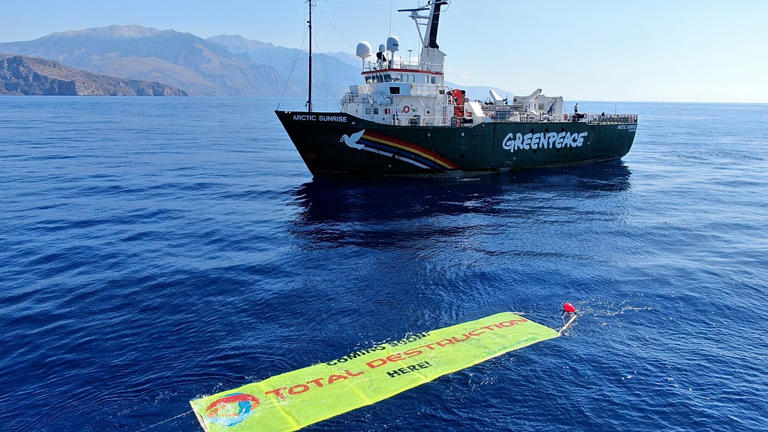
EU TO MAKE LAST-MINUTE DECISION ON ARCTIC OIL AND GAS DRILLING BAN.
The EU may decide in October whether to maintain or drop its proposed ban on new Arctic oil and gas exploration. The decision reflects growing concerns over energy security, geopolitical competition and the Arctic’s strategic resources.
- 4 weeks
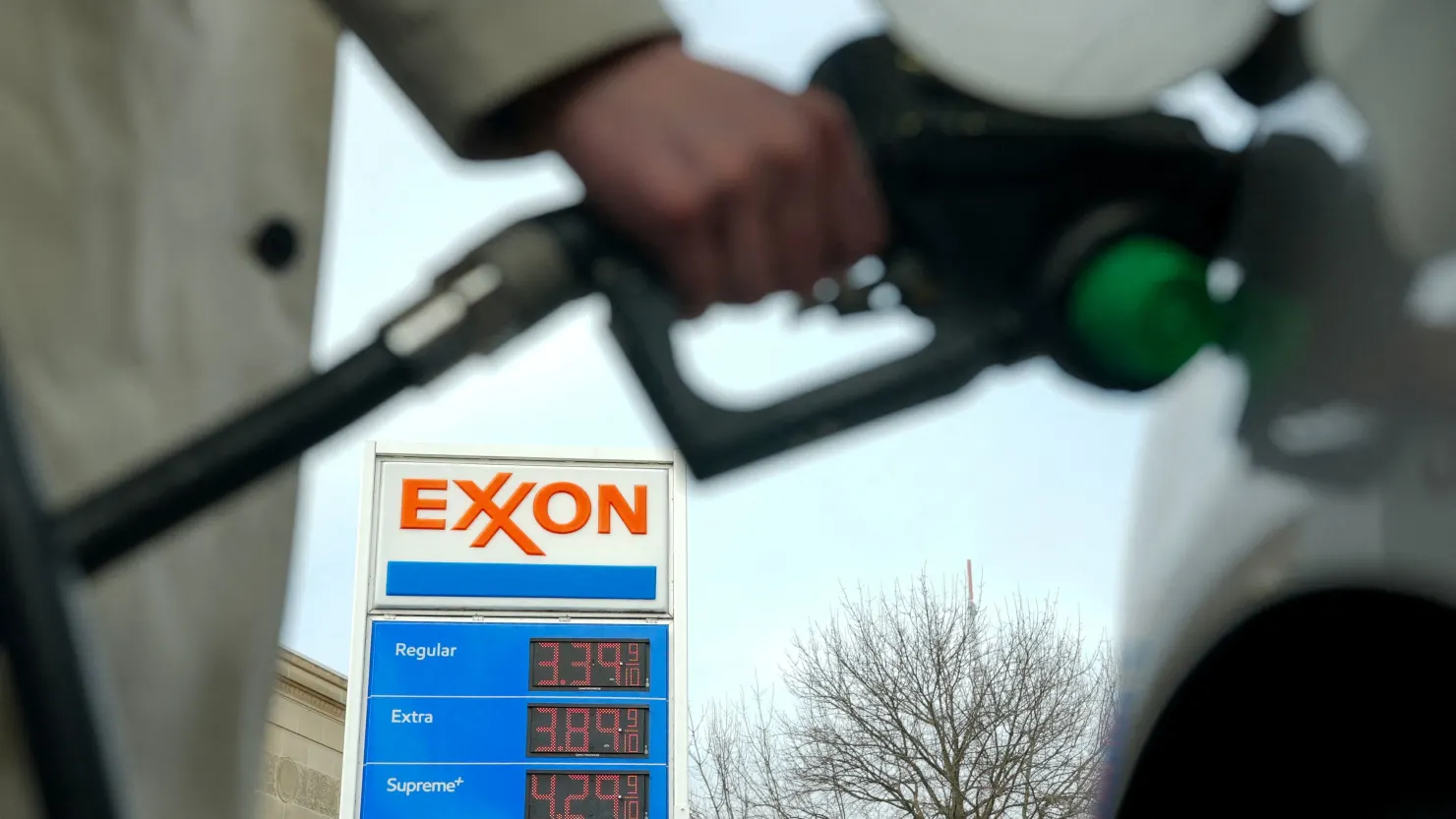
CONSUMERS HIT BY ONE-TWO PUNCH OF OIL AND RATES FROM IRAN WAR. THE ESTIMATED BILL IS $1,700 PER HOUSEHOLD.
Consumers face a double whammy of rising oil prices and Treasury yields amid the U.S. war with Iran. Higher energy costs have erased tax-refund gains, while households tap savings to sustain spending.
- 1 month

UK OIL AND GAS GROUP SAYS EARLIER TAX SHIFT COULD RAISE £14.9 BILLION.
OEUK says moving the new Oil and Gas Revenue Levy to 2027 could raise an extra £14.9 billion for the UK government. The industry argues earlier tax reform would restore investment confidence and slow the decline of North Sea oil and gas production. OEUK warns current tax uncertainty is driving operators away, increasing the UK's dependence on oil and gas imports.
- 1 month
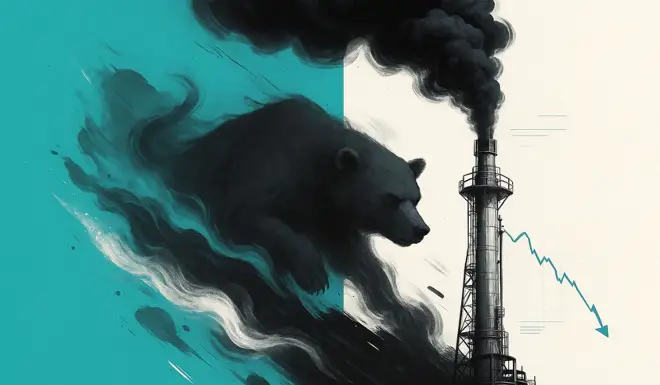
NATURAL GAS AND OIL FORECAST: SAUDI PIPELINE SHUTDOWN DEEPENS GLOBAL SUPPLY RISK.
Saudi Arabia’s East-West pipeline shutdown, alongside ongoing Hormuz and Bab el-Mandeb risks, is tightening global energy supply and increasing volatility. USOIL and UKOIL remain bullish, while Natural Gas is slightly bullish as LNG supply risks intensify.
- 1 month
NIGERIA WARNS FLARE-GAS INVESTORS THEY COULD LOSE PERMITS
Nigeria’s upstream oil regulator has warned investors developing projects at gas-flaring sites that they could lose their permits if they fail to make sufficient progress.
- 1 month
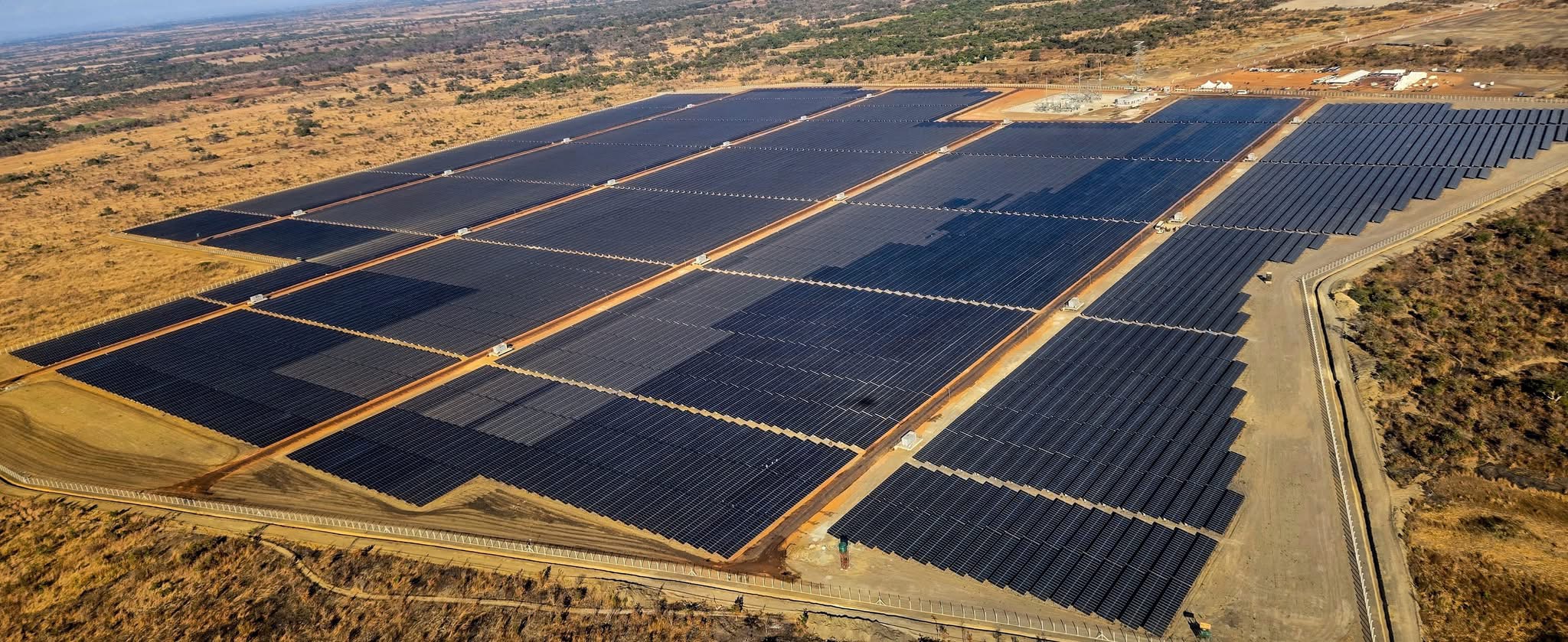
ZAMBIA: NEW RULES FOR GENERATORS AS H1 26 ENERGY INVESTMENT TOPS $1BN.
Zambia’s energy sector recorded significant investment momentum in the first half of 2026, with more than 1GW of new electricity generation capacity approved during the period.
- 1 month, 1 week

Africa Energy Insights (AEI) is an African platform with latest news, insights and investment report of Energy Sectors. We bridging the gap and mobilizes investment in Energy resources for Sustainable and reliable Energy supply.