Blog
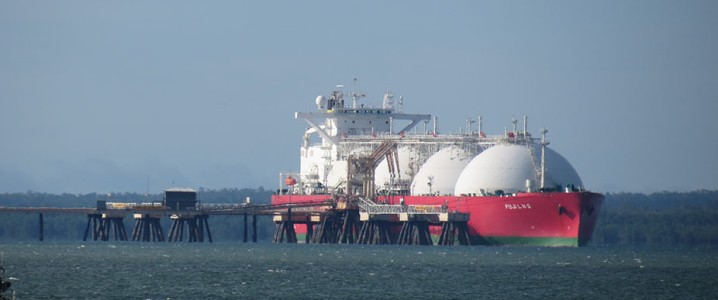
HORMUZ CRISIS BOOSTS APPEAL OF $42-BILLION TANZANIA LNG.
The Middle East conflict has increased the strategic appeal of Tanzania’s delayed $42-billion LNG project because it could provide LNG from a location less exposed to geopolitical disruptions. Equinor and Shell still need to resolve longstanding negotiations with the Tanzanian government before the project can advance.
- 1 month, 1 week

EAST AFRICA’S OIL RIVALRY SPURS MULTI-BILLION-DOLLAR PROJECTS ACROSS THE REGION
East Africa’s race for energy dominance is intensifying after Nigerian billionaire Aliko Dangote agreed to build a $17 billion, 700,000-barrel-per-day refinery on Kenya’s Lamu Island.
- 1 month, 2 weeks
INDIA'S ADANI ENERGY SOLUTIONS WINS $493 MLN TRANSMISSION PROJECT IN MAHARASHTRA.
Adani Energy Solutions said on Wednesday that it has won a 47-billion-rupee ($492.6 million) transmission project in Maharashtra, strengthening the conglomerate’s efforts to expand its clean-energy infrastructure.
- 1 month, 3 weeks
CHINESE REFINER SINOPEC TO BOOST OIL IMPORTS FROM OUTSIDE THE GULF.
Sinopec will increase crude oil purchases from Brazil, Africa and other regions as it seeks to mitigate supply disruptions caused by the conflict in the Middle East, company executives said on Monday following the release of its interim results.
- 1 month, 3 weeks
IRAQ WANTS TO DOUBLE OIL OUTPUT—AND NEEDS OPEC TO GET OUT OF THE WAY
Iraq is aiming to more than double its oil production within the next six years, targeting between 8 million and 10 million barrels per day (bpd), compared with around 4 million bpd before the Iran war.
- 1 month, 3 weeks
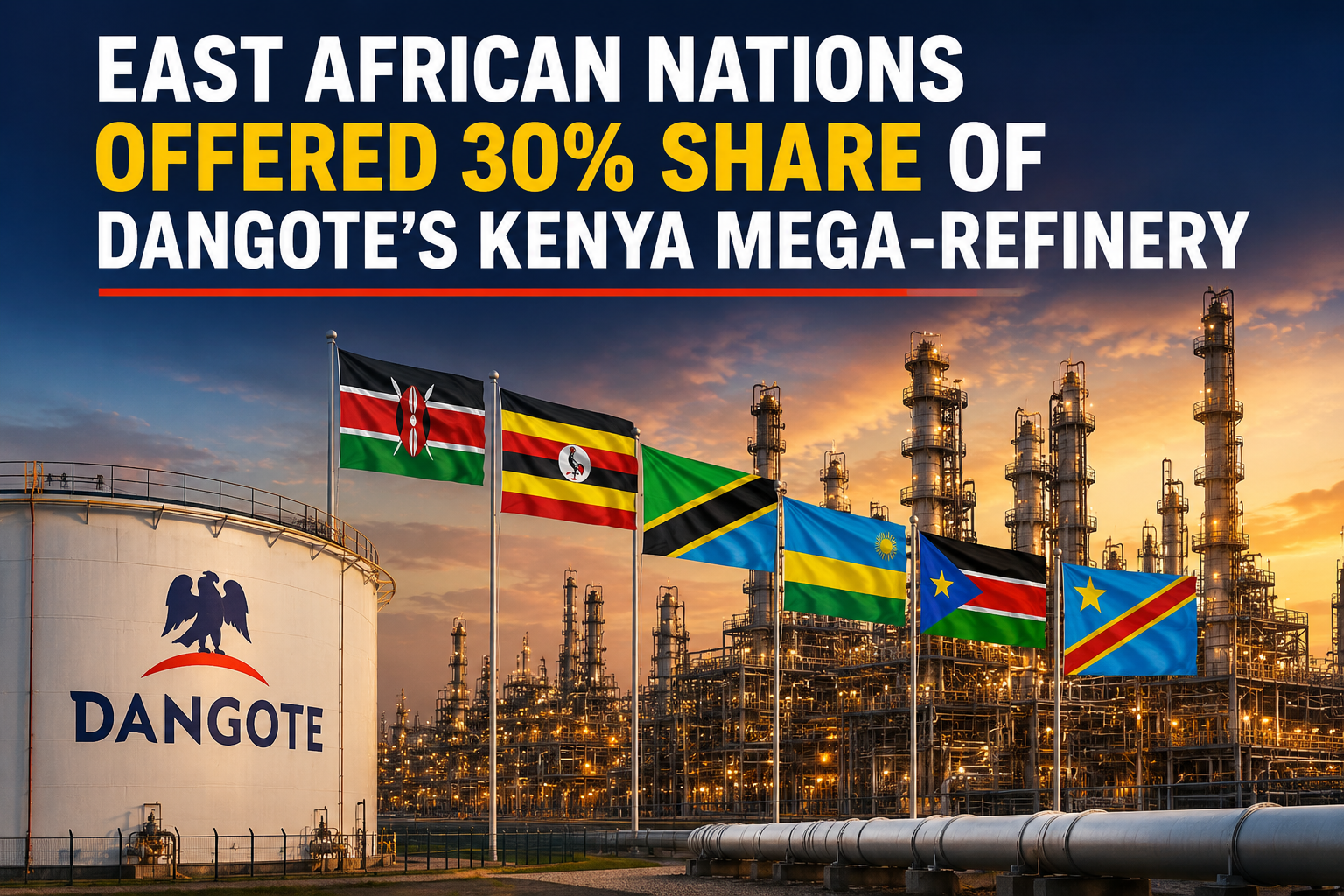
EAST AFRICAN NATIONS OFFERED 30% SHARE OF DANGOTE’S KENYA MEGA-REFINERY
Nigeria’s Dangote Group has offered East African countries a 30% stake in its proposed mega-refinery in Kenya, according to David Ndii, chair of Kenyan President William Ruto’s Council of Economic Advisers.
- 1 month, 3 weeks

Africa Energy Insights (AEI) is an African platform with latest news, insights and investment report of Energy Sectors. We bridging the gap and mobilizes investment in Energy resources for Sustainable and reliable Energy supply.