Blog
SOUTH AFRICA: ADNOC’S BILLION-DOLLAR SHELL DEAL RESHAPES FUEL RETAIL LANDSCAPE.
ADNOC Distribution's acquisition of Shell's downstream business in South Africa, valued at approximately US$1 billion, marks one of the country's largest-ever fuel retail transactions.
- 2 months, 3 weeks

LESOTHO: CHINESE JV STARTS SOLAR PV PLANT EXPANSION.
Construction has begun on the second phase of the state-owned Mafeteng Solar Power Station in Lesotho, a project being developed by a Chinese joint venture.
- 2 months, 3 weeks
MIDDLE EAST OIL RECOVERY OFFERS TANZANIA SOME RELIEF
Lower global oil prices could ease Tanzania's fuel import bill and reduce inflationary pressures if the recovery continues. However, renewed Middle East tensions remain a major risk, with any disruption to oil supplies likely to push fuel prices higher again.
- 3 months
SOUTH AFRICA: TOTALENERGIES, PARTNERS UNVEIL 216-MW SOLAR, BESS PLANT.
French energy company TotalEnergies, together with its partners, has commissioned a 216 MW solar photovoltaic (PV) plant integrated with a 500-MWh battery energy storage system (BESS) in South Africa.
- 3 months
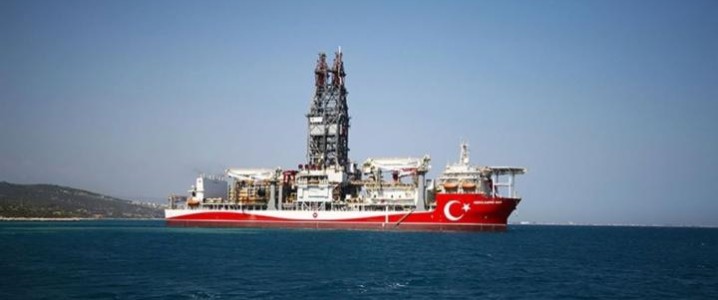
COULD SOMALIA SEE THE WORLD'S NEXT MAJOR OIL DISCOVERY?.
Turkey's Curad-1 exploration well is testing one of the world's most promising frontier offshore oil prospects in Somalia, supported by encouraging seismic data and investor-friendly fiscal terms. A major discovery could transform East Africa's energy landscape and establish Somalia as a strategically important oil producer.
- 3 months
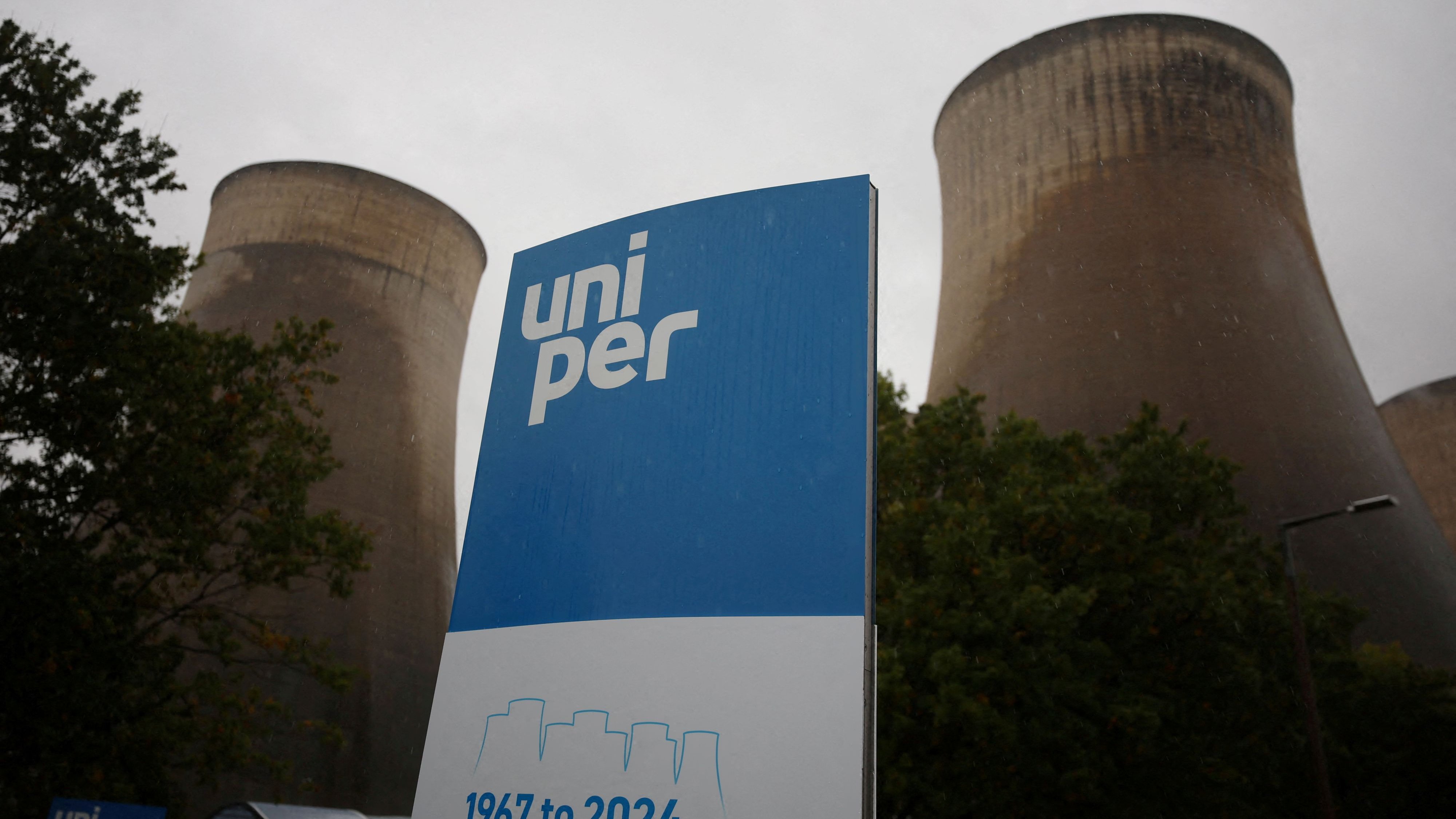
GERMANY: UNIPER TARGETS DATA CENTRES IN STRATEGY SHIFT, PLANS €5 BLN IN INVESTMENT.
Uniper has reaffirmed its long-term transformation strategy, outlining plans to diversify its business by tapping into the growing demand for data centers. The German energy company intends to invest approximately €5 billion ($5.72 billion) by 2030, with funding directed toward expanding flexible power generation and renewable energy.
- 3 months

Africa Energy Insights (AEI) is an African platform with latest news, insights and investment report of Energy Sectors. We bridging the gap and mobilizes investment in Energy resources for Sustainable and reliable Energy supply.