Blog
CANADA: ARC SHAREHOLDERS APPROVE $16.4 BILLION SHELL TAKEOVER DEAL.
ARC Resources announced on Tuesday that its shareholders overwhelmingly approved the company's proposed acquisition by Shell, marking another major milestone for one of the largest energy transactions of the year.
- 3 months

AMINEX CHALLENGES PROPOSED DELAYS TO TANZANIA'S RUVUMA GAS DEVELOPMENT.
Aminex has challenged proposed changes to the 2026 work programme for Tanzania's Ruvuma gas project that would delay first gas production and the drilling of the Chikumbi-1 well. The company says it is in discussions with its partners but has reserved its contractual rights to ensure the project's development obligations are met.
- 3 months
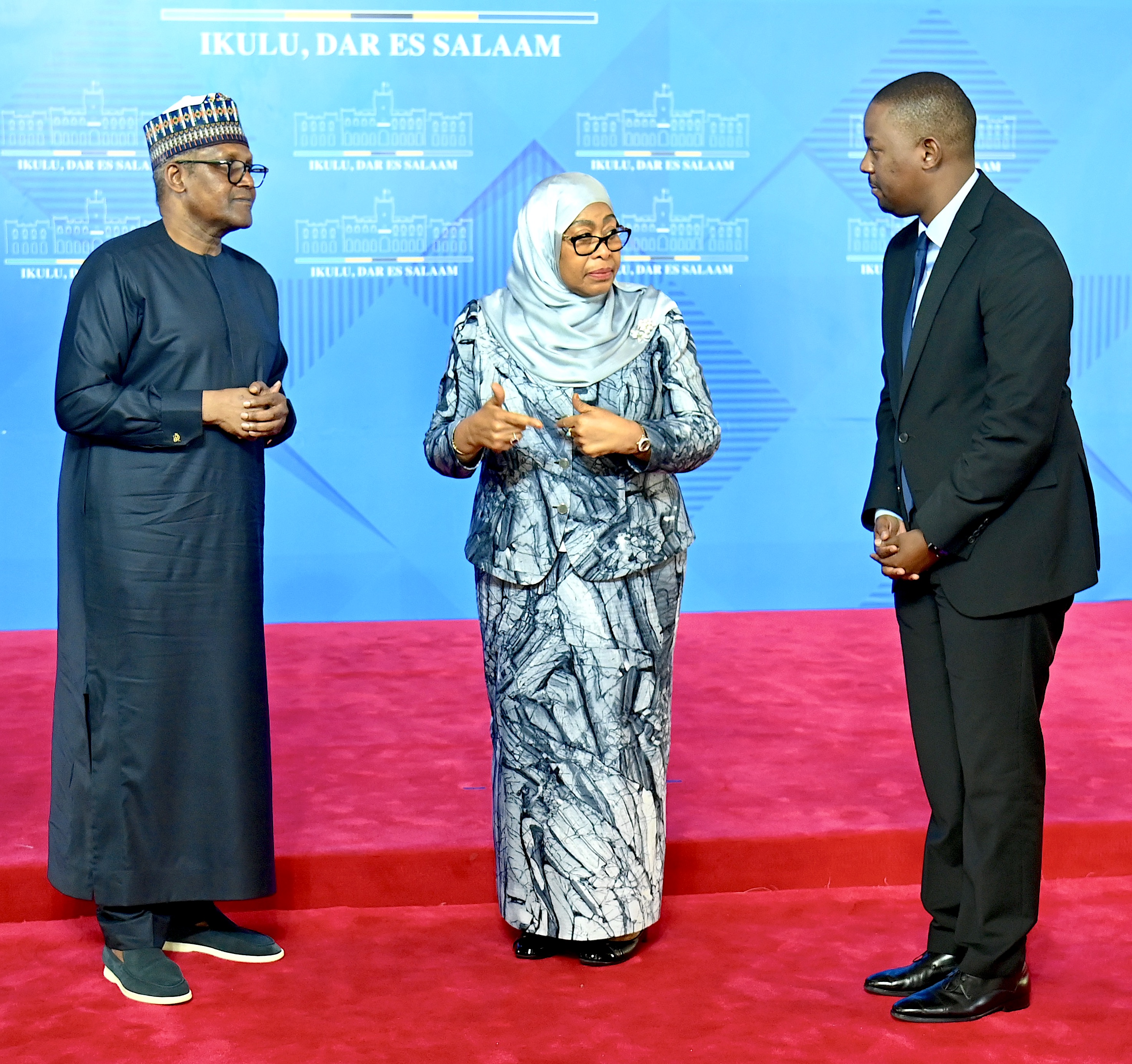
"DANGOTE EXPLORES MULTI-BILLION DOLLAR INVESTMENT OPPORTUNITIES IN TANZANIA
Toward the end of June, Dangote Group President Aliko Dangote visited Tanzania for high-level discussions with President Samia Suluhu Hassan.
- 3 months
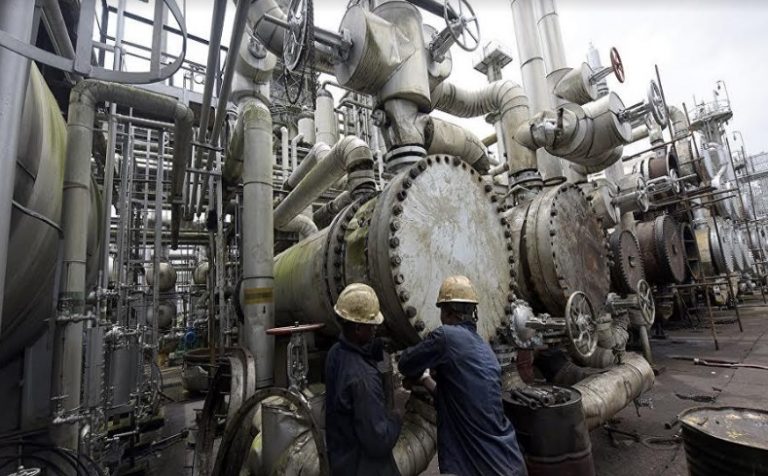
NIGERIA'S OIL PRODUCTION HITS SIX-YEAR HIGH AS MIDDLE EAST RISKS RETURN
Nigeria’s crude oil production climbed to its highest level in six years in June, reflecting improved operational stability across the country’s oil sector.
- 3 months
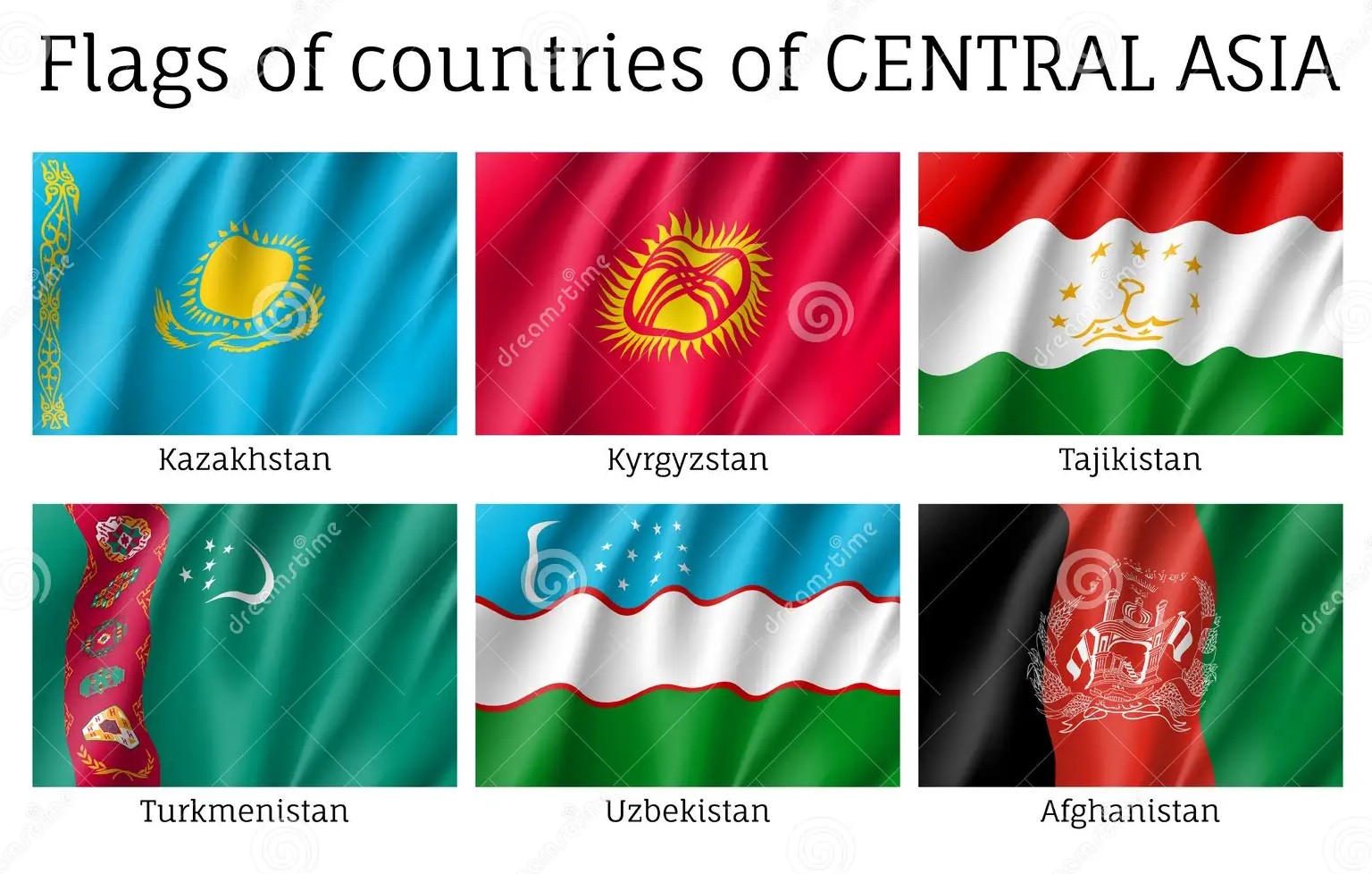
CENTRAL ASIA FEELS THE PINCH OF RUSSIA'S FUEL CRUNCH.
Fuel shortages in Russia, driven by Ukrainian drone strikes on Russian oil refineries, have begun affecting Central Asian countries that rely heavily on Russian fuel imports, according to traders and market participants.
- 3 months

RWANDA: GOVT SET TO RECEIVE FIRST 40,000-TONNE DIRECT FUEL SHIPMENT.
Rwanda is set to receive its first direct shipment of 40,000 tonnes of refined petroleum products through Tanzania's Port of Tanga by the end of July 2026 as part of efforts to strengthen energy security and improve fuel supply. The government says direct procurement from global suppliers will reduce import costs, stabilize fuel prices and enhance the country's long-term fuel supply chain.
- 3 months

Africa Energy Insights (AEI) is an African platform with latest news, insights and investment report of Energy Sectors. We bridging the gap and mobilizes investment in Energy resources for Sustainable and reliable Energy supply.