Blog
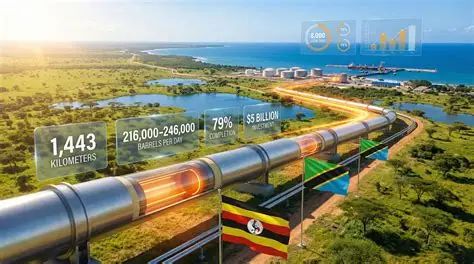
EAST AFRICAN CRUDE OIL PIPELINE SURPASSES 90% COMPLETION, BRINGING UGANDA CLOSER TO FIRST OIL EXPORTS.
The East African Crude Oil Pipeline (EACOP) has surpassed 90% completion, marking a major milestone in one of Africa's largest energy infrastructure projects and bringing Uganda significantly closer to becoming an oil-exporting nation. The latest progress reflects years of investment, engineering and regional cooperation between Uganda and Tanzania, with construction now entering its final phase ahead of commercial operations. Once completed, the pipeline is expected to transform East Africa's energy landscape by strengthening regional integration, creating employment opportunities, attracting billions of dollars in investment and opening a new export corridor for Ugandan crude to international markets.
- 3 months, 1 week
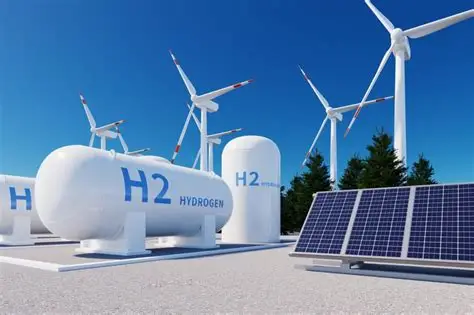
NIGERIA PLANS HYDROGEN FUEL DEVELOPMENT TO POWER INDUSTRIES AND ADVANCE CLEAN ENERGY TRANSITION
Nigeria is stepping up its clean energy ambitions with plans to introduce hydrogen fuel into the country's industrial sector as part of a broader strategy to accelerate renewable energy development, attract foreign investment and support sustainable economic growth. The Federal Government is engaging international partners, technology developers and investors to explore large-scale hydrogen deployment, positioning the country to benefit from the growing global shift toward low-carbon energy solutions. The initiative reflects Nigeria's commitment to diversifying its energy mix while strengthening industrial competitiveness and creating new opportunities within the emerging green economy.
- 3 months, 1 week
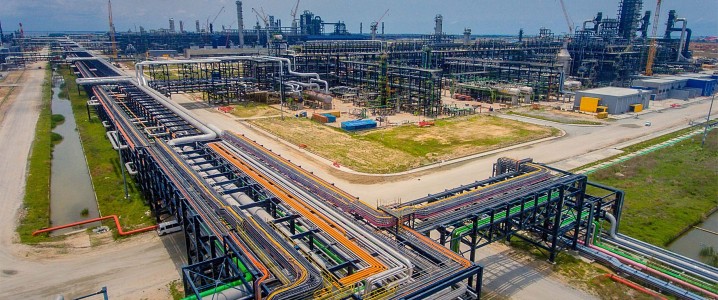
DANGOTE'S NEXT MOVE COULD CREATE THE WORLD'S LARGEST REFINERY.
Dangote Refinery's rapid rise has transformed Nigeria into a major exporter of refined fuels, challenging established suppliers in Europe and reducing West Africa's dependence on imports. Its planned expansion to 1.45 million barrels per day could redefine Africa's energy landscape, provided infrastructure and security constraints do not derail its ambitions.
- 3 months, 1 week
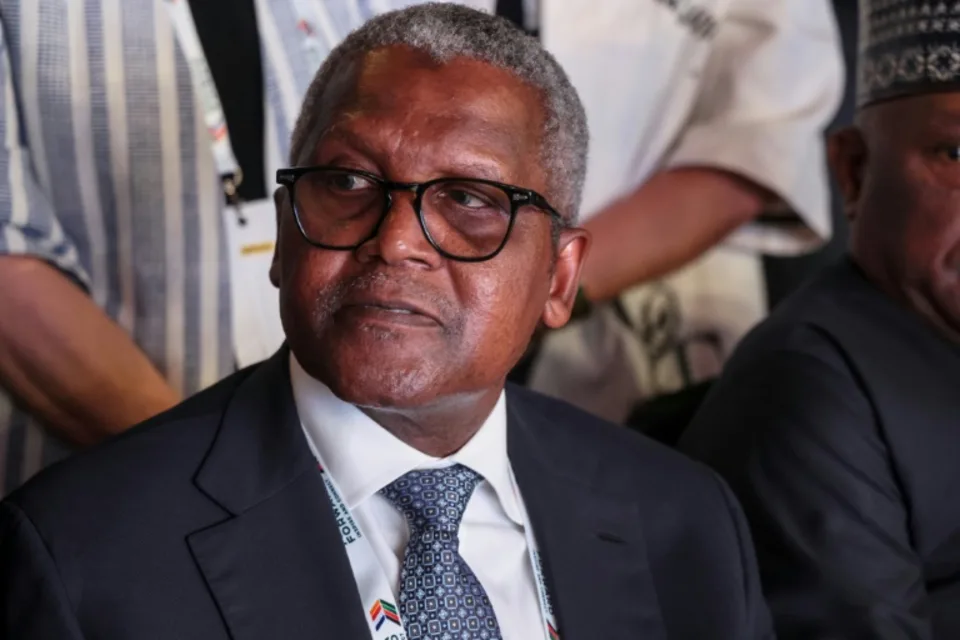
NIGERIA'S DANGOTE CONFIRMS LAMU, KENYA FOR EAST AFRICA MEGA-REFINERY.
Aliko Dangote has confirmed that his planned 700,000-barrel-per-day East African oil refinery will be built in Lamu, Kenya, with construction expected to take about 30 months. While the project could transform regional refining capacity, questions remain over crude oil supply, financing, and supporting infrastructure
- 3 months, 1 week
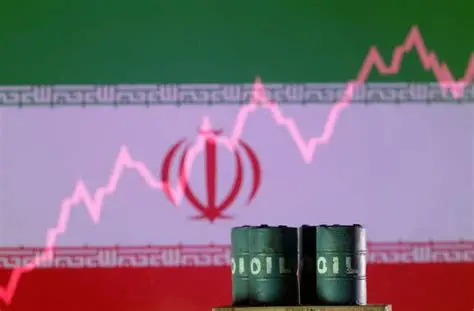
IRAN EXPLORES OIL SALES TO JAPAN AS SANCTIONS WAIVER WINDOW OPENS.
Iran has begun early discussions with Japanese companies over the possible resumption of crude oil exports under a temporary U.S. sanctions waiver, marking a cautious attempt to reconnect with one of its traditional Asian markets after years of restricted trade. The talks come as buyers push for a longer waiver period beyond the current 60-day arrangement and demand stronger guarantees over shipping safety in the Strait of Hormuz, where geopolitical and maritime risks remain elevated despite ongoing ceasefire diplomacy between Tehran and Washington. The move highlights how fragile energy diplomacy remains in the Gulf, where oil trade, sanctions policy and maritime security are increasingly intertwined in shaping global supply flows.
- 3 months, 1 week
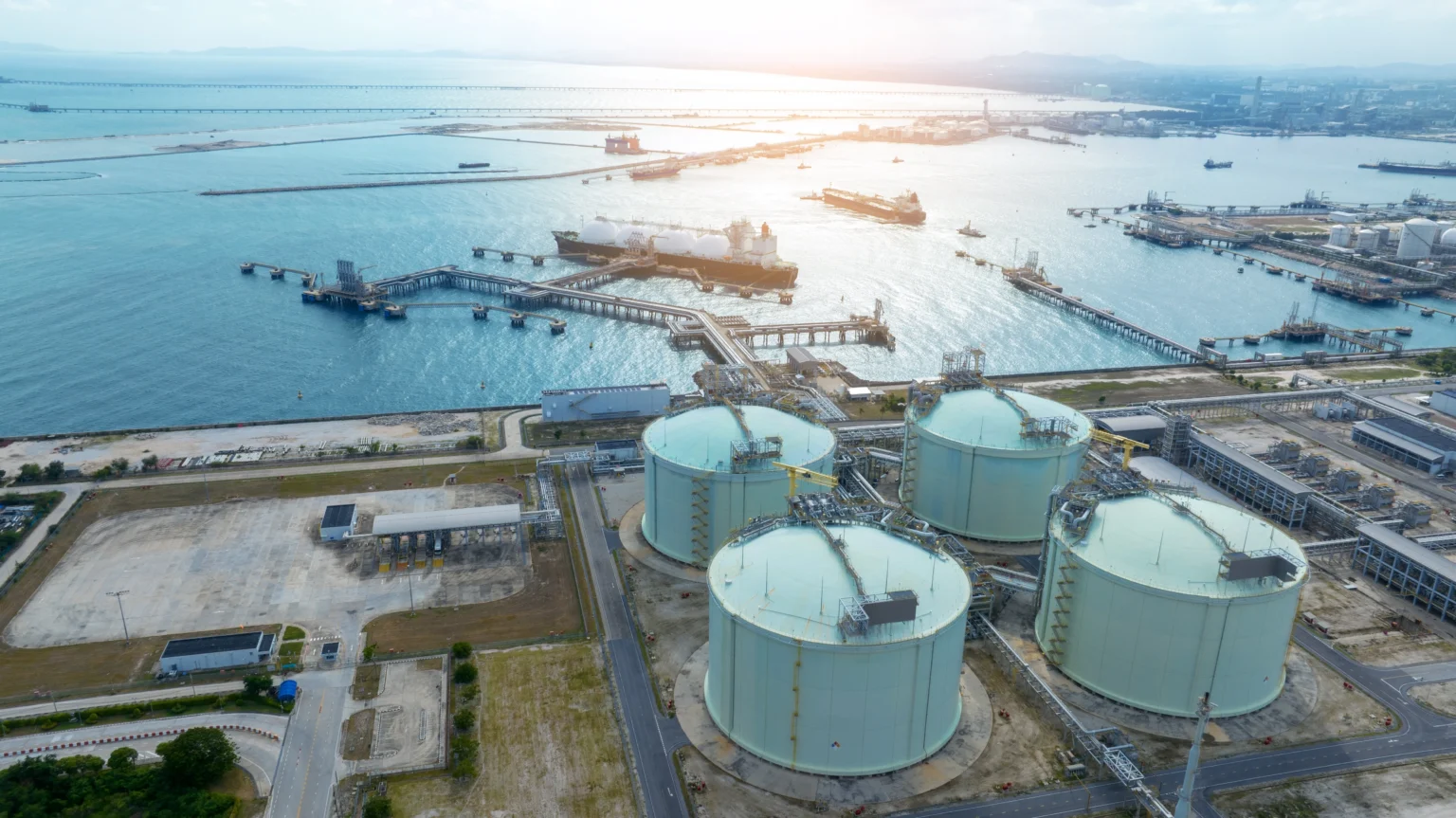
70TRI/- LNG PROJECT SET TO RESHAPE TANZANIA'S ECONOMY.
Tanzania is advancing its TSh70 trillion LNG project in Lindi, which aims to commercialize over 47 trillion cubic feet of natural gas, create thousands of jobs, and strengthen the country's position in the global energy market. The project is expected to boost industrialization, enhance energy security, increase exports, and drive long-term economic growth through strong local content participation.
- 3 months, 1 week

Africa Energy Insights (AEI) is an African platform with latest news, insights and investment report of Energy Sectors. We bridging the gap and mobilizes investment in Energy resources for Sustainable and reliable Energy supply.