Blog
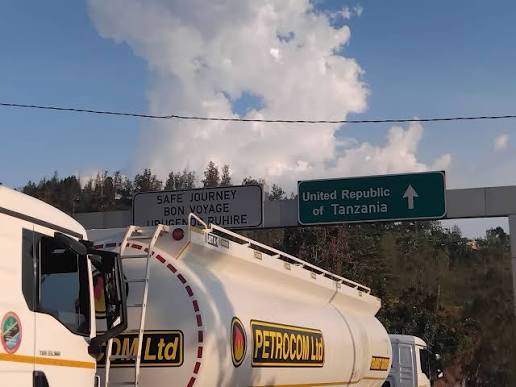
RWANDA SIGNS DEAL TO IMPORT PETROLEUM THROUGH TANZANIA'S PORT OF TANGA.
Rwanda has signed an agreement with Gulf Bulk Petroleum Tanzania to import and store refined petroleum products through Tanzania's Port of Tanga, strengthening its fuel supply chain. The deal supports Rwanda's strategy of diversifying petroleum import routes and reinforces regional energy cooperation with Tanzania.
- 3 months, 2 weeks
OPEC+ PLANS ANOTHER OUTPUT HIKE. THE MARKET BARELY NOTICES.
OPEC+ is expected to approve another production quota increase for August, with Saudi Arabia, Russia, Iraq, Kuwait, Algeria, Kazakhstan, and Oman likely to add 188,000 barrels per day, according to Reuters.
- 3 months, 2 weeks
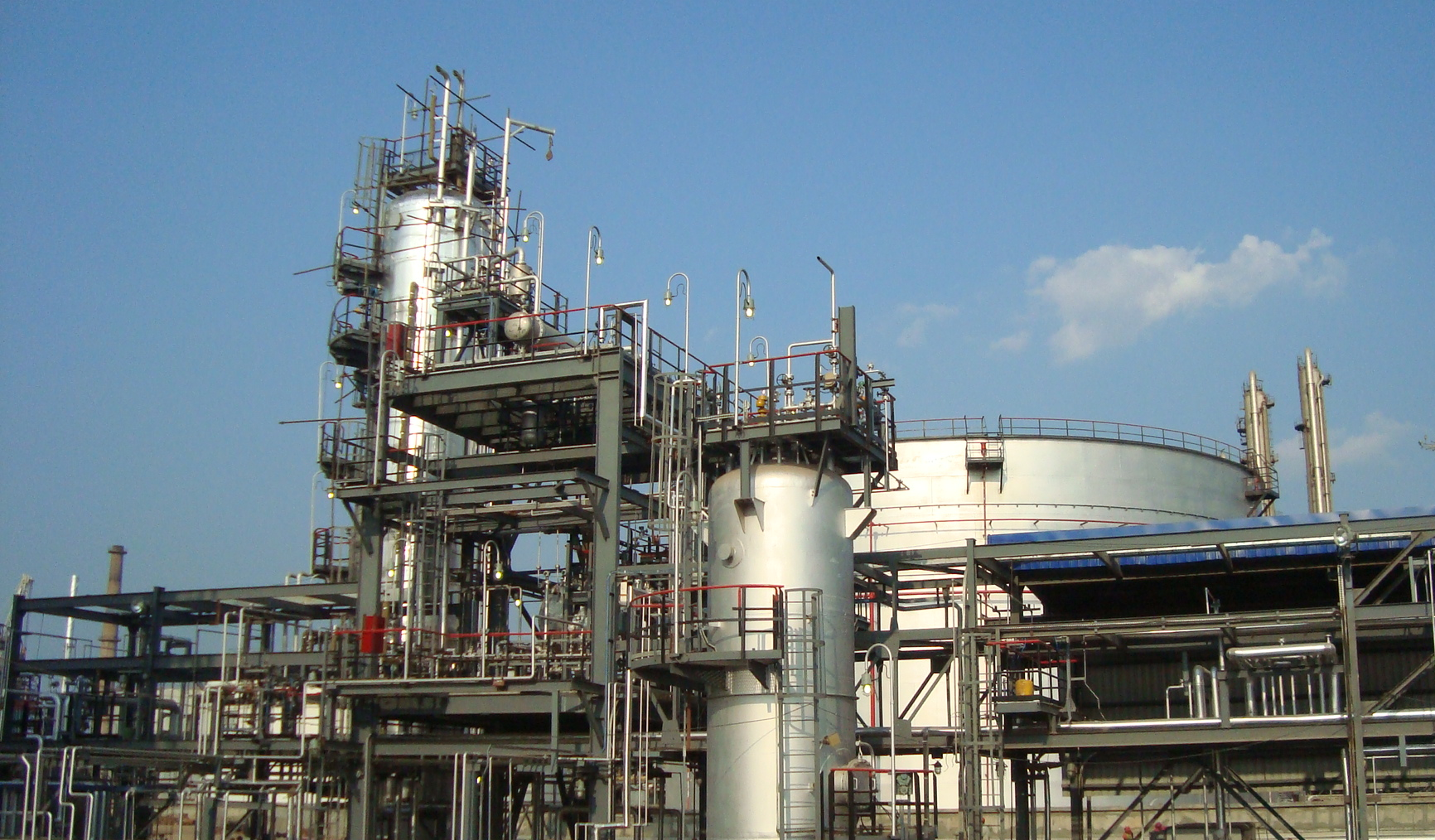
NIGERIA'S BIGGEST REFINERY IMPORTS UAE CRUDE FOR FIRST TIME, TRADERS SAY
Nigeria's 650,000-barrel-per-day Dangote refinery has imported 2 million barrels of crude oil from ADNOC in the United Arab Emirates, marking its first-ever purchase of UAE crude, according to traders.
- 3 months, 2 weeks

NIGERIA DISCOVERS OIL AND GAS DEPOSITS IN PLATEAU STATE AFTER FIVE-YEAR STUDY.
Nigeria has discovered promising oil and natural gas deposits in Plateau State following a five-year geological study, with natural gas identified as the most commercially viable resource. The findings could open a new exploration frontier in the Middle Belt, pending further seismic surveys to confirm the size and commercial potential of the reserves.
- 3 months, 2 weeks
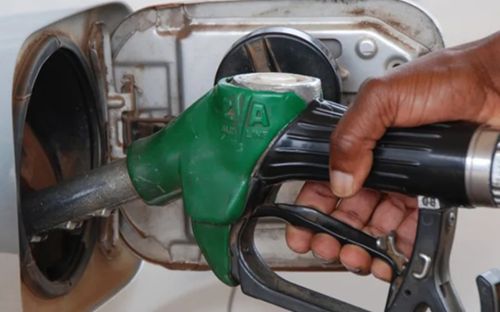
ZAMBIA SLASHES JULY FUEL PRICES AS GLOBAL OIL RETREAT EASES IMPORT COSTS.
Zambia has reduced July fuel prices after lower international refined fuel prices and a stronger kwacha cut the cost of petroleum imports. The price reductions, led by a 12.46% drop in diesel, are expected to lower transport and business operating costs while providing relief from imported inflation.
- 3 months, 2 weeks
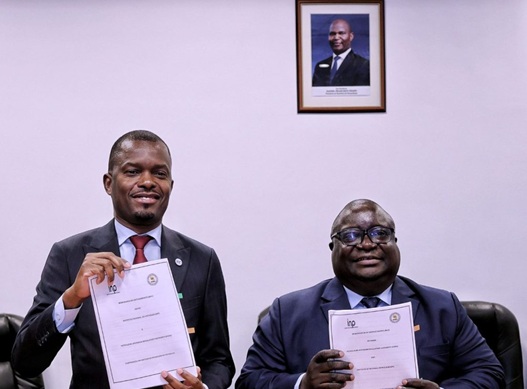
MOZAMBIQUE AND TANZANIA STRENGTHEN OIL AND GAS REGULATORY CAPACITY AS INP AND PURA SIGN MOU.
Mozambique's National Petroleum Institute (INP) and Tanzania's Petroleum Upstream Regulatory Authority (PURA) have signed a five-year Memorandum of Understanding to strengthen cooperation and enhance regulatory capacity in the oil and gas sector through technical knowledge sharing and institutional collaboration. The agreement aims to improve petroleum governance, support sustainable resource management, and deepen bilateral cooperation in overseeing the strategically important Rovuma Basin.
- 3 months, 2 weeks

Africa Energy Insights (AEI) is an African platform with latest news, insights and investment report of Energy Sectors. We bridging the gap and mobilizes investment in Energy resources for Sustainable and reliable Energy supply.