Blog
CHEVRON FINDS OIL, GAS CONDENSATE OFFSHORE ANGOLA
Chevron said on Monday it had discovered oil and gas condensate at an exploration well in Block 0, offshore Angola, as the energy major continues efforts to boost production in sub-Saharan Africa through infrastructure-led exploration.
- 2 months
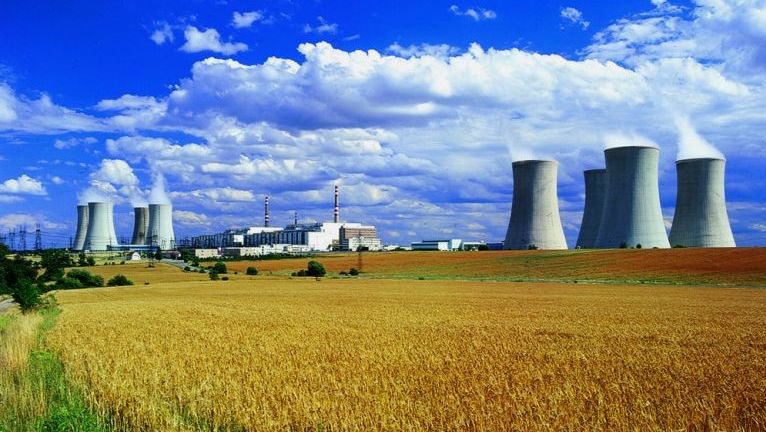
HUNGARY TO SINK TWO BARGES NEAR NUCLEAR PLANT TO ENSURE COOLING.
Hungarian authorities are preparing emergency measures to address critically low water levels in the Danube River, which are affecting operations at the Paks Nuclear Power Plant, the country’s main nuclear facility.
- 2 months
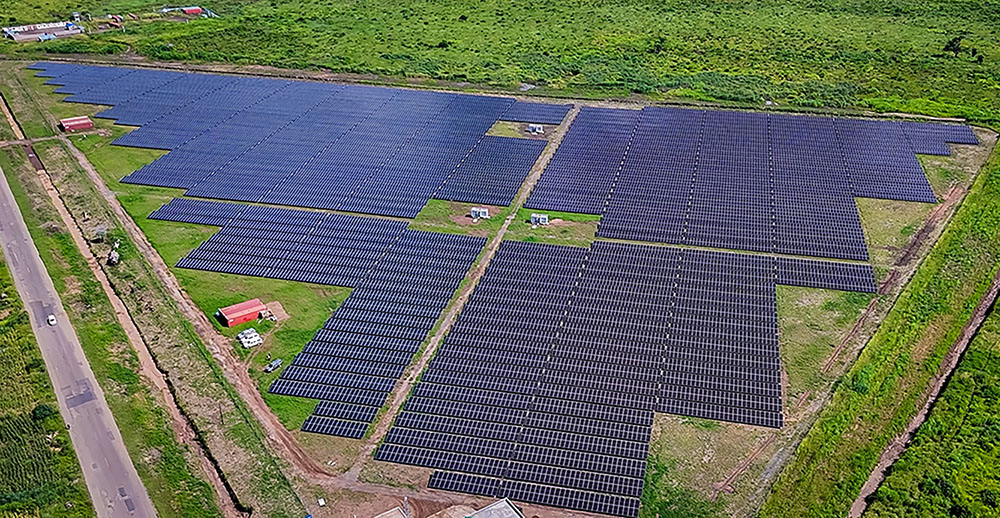
MALAWI: UTILITY-SCALE SOLAR PV PLANT COMMISSIONED.
Malawi has continued to expand its renewable energy generation capacity through the development and commissioning of utility-scale solar PV projects, particularly in Salima, Dedza and Nkhotakota. Key projects include the 60 MW Salima Solar PV plant in Salima, the 20 MW Golomoti Solar PV plant with a 5 MW battery energy storage system (BESS) in Dedza, and the 21 MW Serengeti Solar PV plant in Nkhotakota.
- 2 months
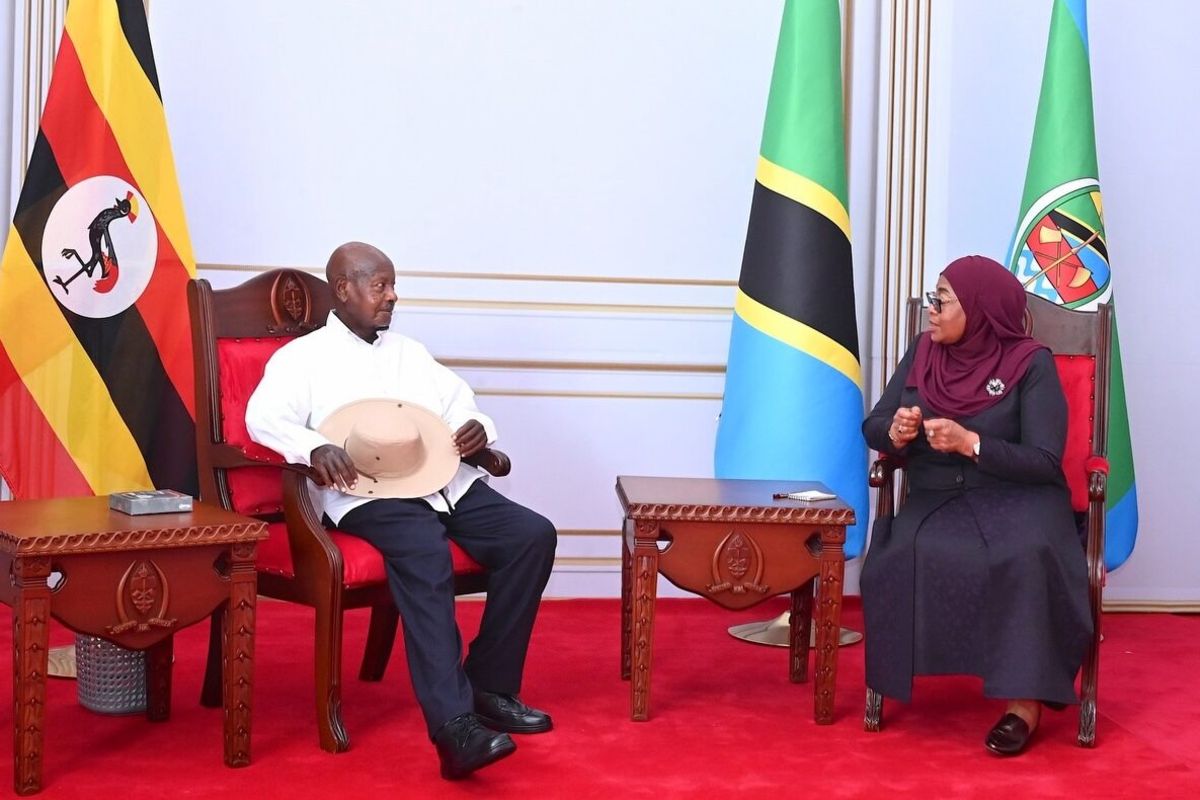
TANZANIA, UGANDA SIGN MOU FOR USD 20 BILLION TANGA ENERGY HUB
Tanzania and Uganda have signed a Memorandum of Understanding to develop Tanga into a Regional Energy Hub, in a project that Tanzania’s Energy Minister said could attract more than USD 20 billion in investment.
- 2 months
ONLY 30PC OF OIL, GAS AREAS EXPLORED.
Tanzania has explored only 30 per cent of its oil and gas prospective areas, leaving more than 370,000 square kilometres still unexplored for possible petroleum discoveries. While no commercial crude oil has been found yet, the country has significant natural gas reserves estimated at 57.54 trillion cubic feet, with further exploration and projects expected to boost the economy.
- 2 months
ELECTRICITY SHORTAGES DIM NIGERIA'S EV CHARGE.
Nigeria’s push toward electric vehicles (EVs) is facing a major challenge: an unreliable electricity supply.
- 2 months

Africa Energy Insights (AEI) is an African platform with latest news, insights and investment report of Energy Sectors. We bridging the gap and mobilizes investment in Energy resources for Sustainable and reliable Energy supply.