Blog
MURPHY OIL REPORTS SHARP INCREASE IN PROFITABILITY.
Murphy Oil Corp has reported $225.8 million in net income adjusted for nonrecurring items for the second quarter nearly six times that of the same three-month period last year as soaring oil prices offset lower production and weaker gas prices.
- 2 months, 1 week

TANZANIA PRESIDENT CALLS FOR FASTER INFRASTRUCTURE DELIVERY VIA PPPS AS GOVERNMENT SIGNS AGREEMENTS ON POWER TRANSMISSION AND NATURAL GAS PROJECTS
Tanzania has signed a series of infrastructure investment agreements with Africa50, TANESCO, TPDC and TAQA Arabia to advance power transmission through public-private partnerships, expand industrial use of natural gas, and improve kidney dialysis services.
- 2 months, 1 week
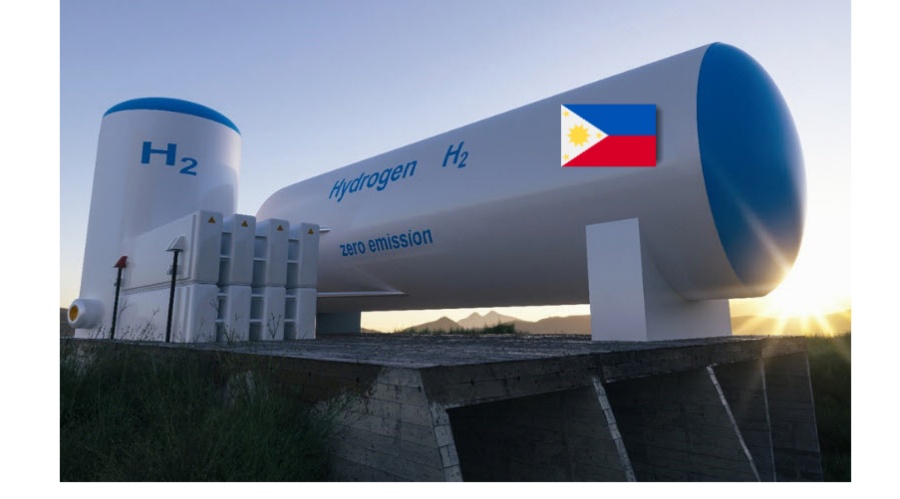
PHILIPPINES COULD BECOME THE WORLD'S FIRST GEOLOGIC HYDROGEN HUB
The Philippines is emerging as a leading candidate for the world's first commercial geologic hydrogen industry, thanks to what are believed to be the largest natural hydrogen seeps on Earth.
- 2 months, 1 week
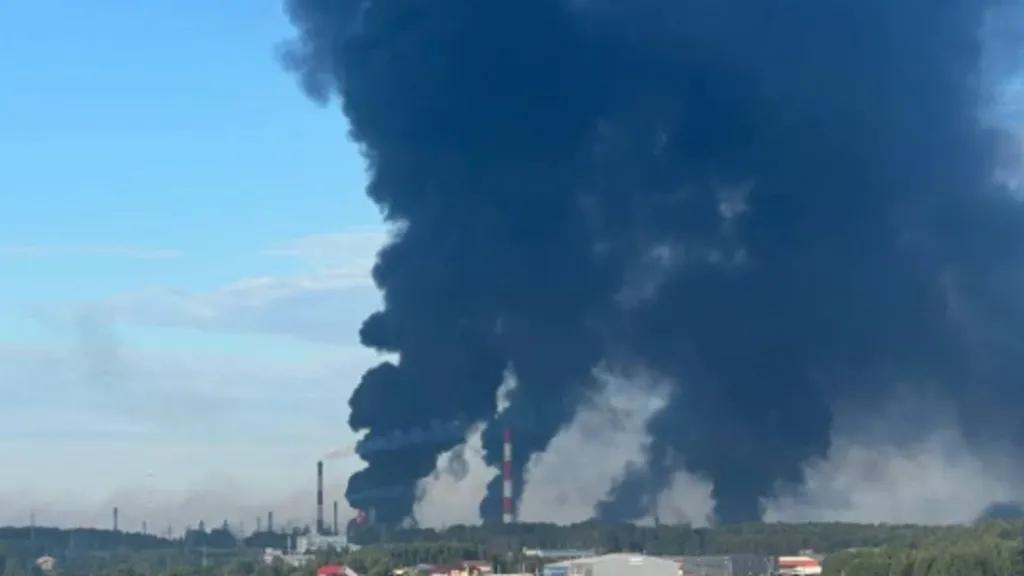
UKRAINE SAYS IT HIT TWO RUSSIAN OIL REFINERIES OVERNIGHT
Ukraine struck two of Russia’s oil refineries overnight, the latest in a flurry of attacks that show a resumption of the assault on the nation’s fuel-production industry.
- 2 months, 1 week

RUSSIA IS RUNNING OUT OF SOLDIERS, OIL, AND TIME
More than 1,600 days after Russia launched its full-scale invasion of Ukraine, the Kremlin is facing growing military and economic pressure.
- 2 months, 1 week

INDIA MAY CHARGE GAS USERS TO FUND PLANNED $42 BILLION FUEL RESERVES.
Planned reserves would cover about two months of crude and LNG demand, six weeks of LPG use, while Proposed levies could raise about $1.5 billion annually from cooking gas and natural gas users.
- 2 months, 1 week

Africa Energy Insights (AEI) is an African platform with latest news, insights and investment report of Energy Sectors. We bridging the gap and mobilizes investment in Energy resources for Sustainable and reliable Energy supply.