Blog

UGANDA EXPECTS FINAL INVESTMENT DECISION ON OIL REFINERY IN NEXT FEBRUARY
Final Investment Decision (FID) for Uganda’s planned crude oil refinery is expected next February, the sector regulator said of a step that could trigger long-delayed development of the $4 billion project.
- 2 months, 1 week
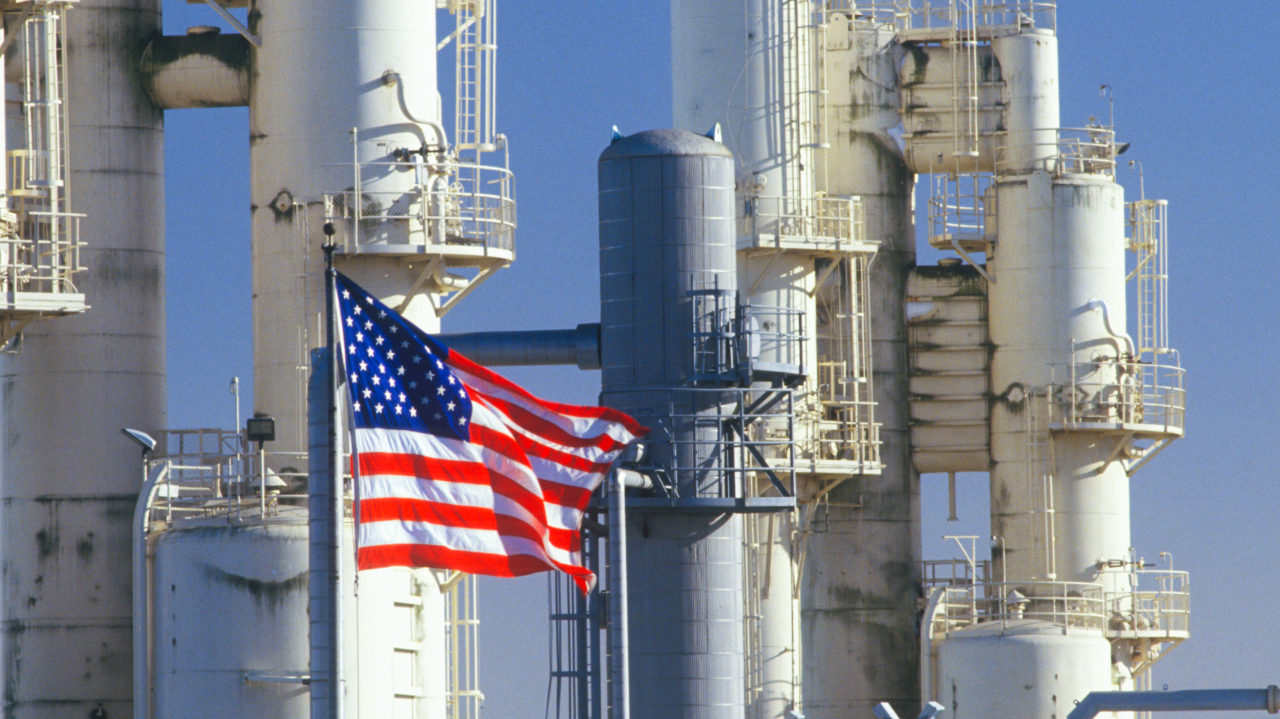
U.S. GASOLINE PRICES COULD HIT A RECORD HIGH THIS WEEK
GasBuddy has warned that U.S. gasoline prices could reach a record level for this time of year despite a recent decline in crude oil prices, as geopolitical tensions.
- 2 months, 1 week

BP'S SECOND-QUARTER PROFIT MORE THAN DOUBLES TO TOP $5 BILLION ON OIL SURGE
The company is continuing to reshape its business by reducing its focus on renewable energy and strengthening its oil and gas operations.
- 2 months, 1 week
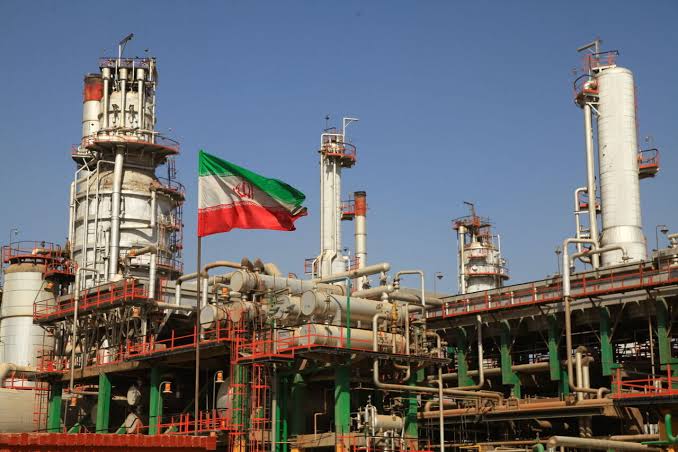
OIL FALLS AFTER TRUMP CANCELS ATTACK ON IRAN TO SEEK NUCLEAR DEAL.
Oil prices fell after U.S. President paused a planned attack on Iran, easing tensions and raising hopes for the reopening of the Strait of Hormuz.
- 2 months, 2 weeks

CHINA GENERATES LESS THAN HALF OF ITS ELECTRICITY FROM COAL FOR THE FIRST TIME.
China, the world's largest consumer of coal, generated less than half of its electricity from the fossil fuel during the first six months of the year through June, marking a historic milestone in its energy transition.
- 2 months, 2 weeks

SHELL PROFITS DOUBLE AS OIL PRICES SPIKE.
Shell has reported quarterly profits of $9.8 billion, more than double last year's figure, driven by higher oil and gas prices amid tensions in the Middle East. The company also announced a $3 billion share buyback, while environmental groups criticised its soaring profits and continued public support for carbon capture projects.
- 2 months, 2 weeks

Africa Energy Insights (AEI) is an African platform with latest news, insights and investment report of Energy Sectors. We bridging the gap and mobilizes investment in Energy resources for Sustainable and reliable Energy supply.